

tenth cranial nerve
- noun
- /tɛnθ ˈkreɪniəl nɜrv/
- Specialized
- The tenth cranial nerve plays a crucial role in regulating heart rate and digestion.
Examples
-
Damage to the tenth cranial nerve can lead to difficulties with swallowing and speech.
-
Doctors examined the patient's tenth cranial nerve function as part of the neurological assessment.
-
The tenth cranial nerve is essential for heart rate regulation.
-
Damage to the tenth cranial nerve can lead to swallowing difficulties.
-
Damage to the tenth cranial nerve can lead to difficulties with swallowing and speech.
-
Doctors examined the patient's tenth cranial nerve function as part of the neurological assessment.
-
The tenth cranial nerve plays a crucial role in regulating heart rate and digestion.
Synonyms

 3
8.9
3
8.9

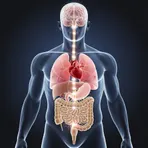
A nerve in the chest and belly that helps control the heart, lungs, and digestion
 2
5.5
2
5.5
A long thin part of the body that sends signals from the brain to the heart, lungs, stomach, and intestines

A nerve that sends signals to the heart, lungs, stomach, and throat

A nerve that connects the brain to the voice box, heart, and stomach

A nerve that helps control the throat, heart, lungs, and stomach

A main nerve that connects the brain to the heart, lungs, and stomach
Surface Forms
Morphology
The phrase is fully compositional: 'tenth' gives ordinal position, 'cranial' relates it to the skull/cranial nerves, and 'nerve' is literal. A B1 learner who knows these constituents can infer it refers to the tenth cranial nerve (even if they might not know its technical name 'vagus' or detailed functions).
Etymology
The name tenth cranial nerve simply marks it as the tenth nerve that comes from the brain. It is also called the vagus nerve from a word meaning 'wandering', because it wanders down into the chest and belly to reach the heart, lungs and stomach, which is why it helps control many organs.