
pneumogastric
- noun
- /njuːmoʊˈɡæstrɪk/
- Archaic
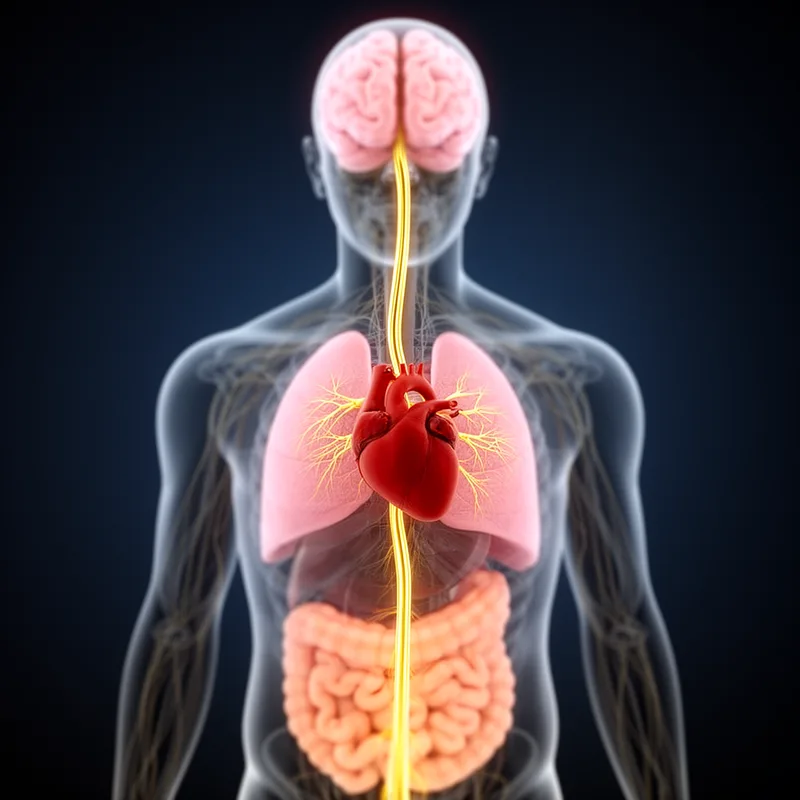
- The pneumogastric nerve plays a crucial role in regulating heart rate.
Examples
-
A damaged pneumogastric nerve can lead to severe digestive issues.
-
The pneumogastric is crucial for regulating heart rate and digestion.
-
Damage to the pneumogastric can lead to difficulties in swallowing and breathing.
-
Stimulation of the pneumogastric has been explored as a treatment for certain medical conditions.
-
The pneumogastric nerve is essential for communicating signals between the brain and the digestive organs.
-
Issues with the pneumogastric can result in abnormal heart rhythms and digestive problems.
-
Understanding the function of the pneumogastric is important for diagnosing certain respiratory and gastrointestinal disorders.
Synonyms

 3
8.9
3
8.9

A nerve in the chest and belly that helps control the heart, lungs, and digestion
 2
5.5
2
5.5
A long thin part of the body that sends signals from the brain to the heart, lungs, stomach, and intestines
A nerve that helps control heart, breathing, voice, and how the body breaks down food

A nerve that connects the brain to the voice box, heart, and stomach

A nerve that helps control the throat, heart, lungs, and stomach

A nerve that sends signals to the heart, lungs, stomach, and throat
Compounds
- Archaic
A nerve that connects the brain to the voice box, heart, and stomach
Surface Forms
Morphology
Etymology
Pneumogastric comes from the Greek parts pneumo- meaning 'breath' or 'lung' and gastro- meaning 'stomach'. So the pneumogastric (the vagus nerve) is named because it goes to and helps both the lungs and the stomach.