

self-fertilization
- noun
- /ˌsɛlfˌfɜːrtəlaɪˈzeɪʃən/
- Specialized
 :
autofecundación
:
autofecundación
- Researchers studied how self-fertilization affects the genetic makeup of a plant's offspring in controlled environments.
- avoid self-fertilization
Examples
-
Some plants use self-fertilization to reproduce.
-
Self-fertilization can limit genetic diversity within a population over time.
-
Many plants are capable of self-fertilization if cross-pollination does not occur.
-
Scientists studied how self-fertilization affects the survival of certain flowering plants.
-
The self-fertilization process can lead to genetic uniformity.
-
One way that plants ensure genetic diversity is by avoiding self-fertilization, which keeps their offspring more varied.
-
Many flowers develop specific structures that prevent self-fertilization, encouraging cross-pollination instead.
Synonyms
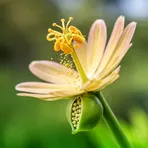
A process where an organism fertilizes itself to make offspring
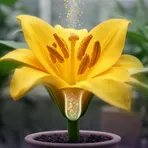
A way a flower or plant makes seeds using its own pollen

A flower making seeds using its own pollen
Antonyms
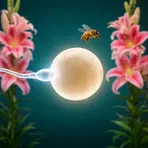
- Specialized
The joining of an egg and sperm from different individuals of the same species
Surface Forms
Morphology
self-fertilization = fertilization (transparent) = self + fertilize + ation
Clear formation: 'self-' (by the same individual) attached to 'fertilization' (the biological process), so the meaning is directly derived.
Etymology
Self-fertilization joins self ('own') and fertilize ('make fruitful'), the same idea behind fertile and fertilizer. So self-fertilization is when a plant or animal 'makes itself fruitful' by using its own male and female parts to produce offspring.

