
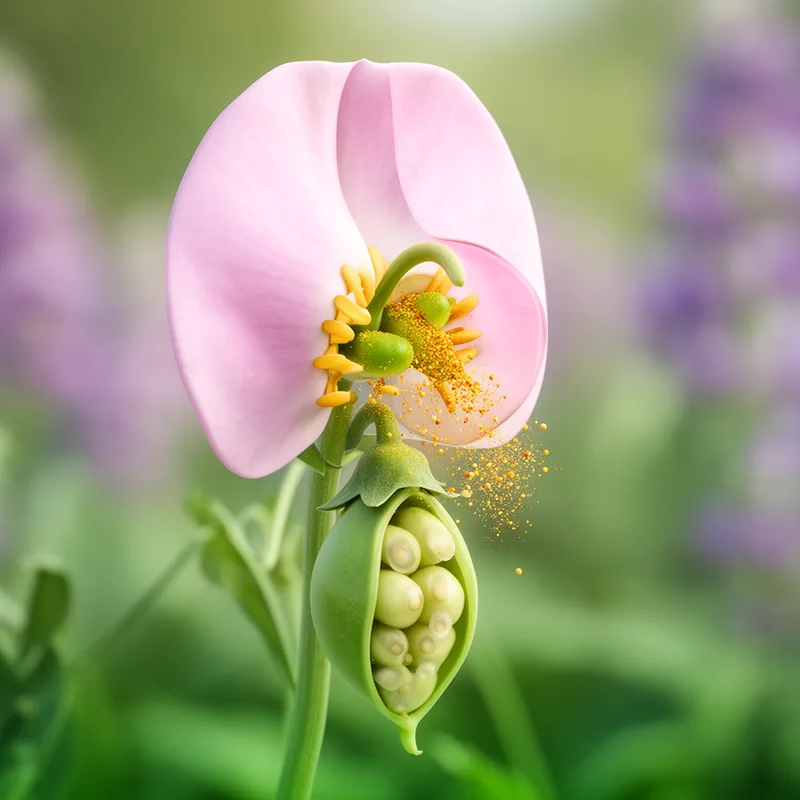
self-pollination
- noun
- /sɛlfˌpɑləˈneɪʃən/
- Specialized
Examples
-
Self-pollination in submerged flowers is common in aquatics.
Academic text (1996) -
Self-pollination is often interpreted as adaptive where ecological factors deter cross-pollination (Richards 1986).
Academic text (1996) -
Self-pollination is widespread in angiosperms and also occurs in many aquatic plants (Hutchinson 1975, Philbrick and Anderson 1987, Sculthorpe 1967).
Academic text (1996) -
When a flower undergoes self-pollination, its own pollen fertilizes its stigma.
-
Many plants rely on self-pollination to ensure reproduction in environments where pollinators are scarce.
-
During self-pollination, the pollen from the same flower is transferred, allowing it to produce seeds independently.
Synonyms
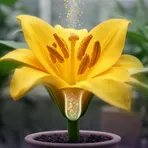
A way a flower or plant makes seeds using its own pollen
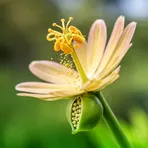
A process where an organism fertilizes itself to make offspring
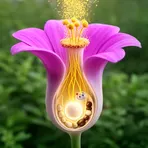
When a plant or animal uses its own sperm and eggs to make young
Antonyms

How Self-Pollinating
- Specialized

- Specialized
Surface Forms
Morphology
self-pollination = self + pollination (transparent) = self + pollinate + ion
The compound is a straightforward combination of 'self' and the noun 'pollination', meaning pollination by the same flower or plant.
Etymology
The word self-pollination comes from self ('by itself') and pollen ('fine dust' that helps make seeds). So it means a flower or plant fertilizes itself with its own pollen.

