

to hygienize
- verb
- /haɪˈdʒiːnaɪz/
- Specialized
- It is important to hygienize your hands frequently to prevent the spread of germs.
Examples
-
The hospital staff hygienized all the equipment thoroughly.
-
The staff worked late to hygienize the kitchen after the health inspection.
-
All equipment must be hygienized before it is used in the laboratory.
-
Please hygienize the kitchen before we start cooking.
-
The staff worked late to hygienize the kitchen after the health inspection.
-
All equipment must be hygienized before it is used in the laboratory.
-
It is important to hygienize your hands frequently to prevent the spread of germs.
Synonyms

 ∞
1.0
∞
1.0

To remove dirt and stains
 33
3.0
33
3.0
Remove dirt and germs from a person's body by washing
 30
4.6
30
4.6
To remove dirt and bad chemicals from water or air to make them clean
 29
4.1
29
4.1
To make something like medical tools free of bacteria using heat or chemicals
 18
3.7
18
3.7
To clean a surface, wound, or tool with chemicals to kill germs
 11
3.7
11
3.7
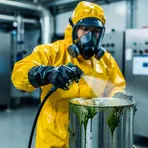
Make something clean and free from bacteria
 9
7.0
9
7.0
To remove harmful substances from a place or thing to make it safe
 4
5.9
4
5.9
To treat water and other things with chlorine to kill bacteria
 1
9.5
1
9.5
To clean a wound or skin with something that kills germs to stop infection


 1
8.8
1
8.8
To make something free of germs using hot steam under pressure in a machine

To make a place or water clean and safe for people's health
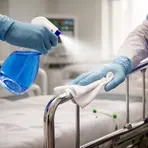
Remove germs from something by cleaning or using a disinfectant
How Clean
- Specialized
29
4.1

- Specialized
18
3.7
∞
1.0
531
1.0
Surface Forms
Morphology
Etymology
Hygienize comes from hygiene, which comes from the Greek root hygie- meaning 'healthy'. So to hygienize something is to make it 'healthy' by cleaning or killing germs, in other words to make it clean and safe to use.