

to sanitize
 11
3.7
11
3.7

- verb
- /ˈsænɪˌtaɪz/
- US
- The hospital staff must sanitize the equipment after each use to ensure patient safety.
- sanitize water
- kitchen surfaces were sanitized
- cloths sanitized
Loading YouTube…
Watch on YouTubeBut the court was not convinced that a mask sanitizes anything.
- But the court was not convinced that a mask sanitizes anything.
- So this is supposed to be a device that pretty much sanitizes your smartphone.
- So I think we need to stop the war on microbes, stop sanitizing so much.
- It has been used for decades to to clean and sanitize.
- I know you take it into the bathroom with you, so sanitize your phone and consider not using it as often in public.
- So I'm going to have, I really like sanitise hands.
- So I had to go in, get every single toy out, wash them, soap them down, clean the inside of the fucking toy chest, and just de sanitize the entire box.
Examples
-
Cloths used for wet work are heavily contaminated with bacteria unless they are sanitized.
Academic text (2005) -
Sanitize the work station.
-
I know you take it into the bathroom with you, so sanitize your phone and consider not using it as often in public.
-
We have to sanitize this place.
-
Filters, too, are a popular way to sanitize water.
Academic text (2004) -
Don't forget to sign in and sanitize your hands.
-
In the past, outside cleaning professionals were brought in to clean and sanitize the floors, walls, etc.
Blog text (26) -
And we've sanitized the whole flat.
-
Before cooking dinner, make sure to sanitize the kitchen counter to eliminate any germs.
-
To prevent the spread of illness, it is important to sanitize your hands regularly, especially after being in public places.
Synonyms
 ∞
1.0
∞
1.0
To remove dirt and stains
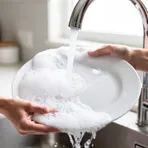 83
1.0
83
1.0
To wash something with water to remove soap or dirt
 33
3.0
33
3.0
Remove dirt and germs from a person's body by washing
 30
4.6
30
4.6
To remove dirt and bad chemicals from water or air to make them clean
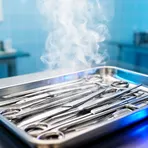 29
4.1
29
4.1
To make something like medical tools free of bacteria using heat or chemicals
 18
3.7
18
3.7
To clean a surface, wound, or tool with chemicals to kill germs
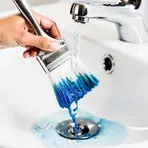 9
2.0
9
2.0
Clean something using water to remove dirt or stains
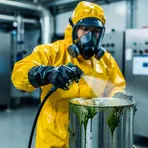 9
7.0
9
7.0
To remove harmful substances from a place or thing to make it safe
 4
5.9
4
5.9
To treat water and other things with chlorine to kill bacteria
 1
9.5
1
9.5
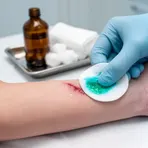
To clean a wound or skin with something that kills germs to stop infection


 1
8.4
1
8.4
To remove dangerous substances from people, equipment, or areas

To make something clean and free from germs
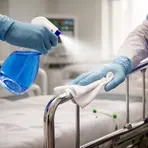
Remove germs from something by cleaning or using a disinfectant

To make a place or water clean and safe for people's health
Antonyms

How Clean
- Specialized
29
4.1
 18
3.7
18
3.7
- US
11
3.7
∞
1.0
18
1.0
Surface Forms
Morphology
sanitize = sanitary + sanitation (transparent) = sanit + ize
Formed by the combining form 'sanit-' (health/cleanliness) plus the productive verb-forming suffix '-ize', yielding the straightforward meaning 'make sanitary/clean'.
Etymology
The word sanitize comes from the Latin root sanus, meaning 'healthy', and reached English through a French word about keeping things clean. So to sanitize something now is to make it healthy by cleaning it or killing germs.