

to disinfect
 18
3.7
18
3.7

- verb
- /ˌdɪsɪnˈfɛkt/
- Please remember to disinfect the countertops after preparing raw meat to prevent contamination.
- disinfect water
- disinfect equipment
- disinfect wastewater
Loading YouTube…
Watch on YouTubeThey are surgical towels that have been used once, disinfected, refolded and sold.
- They are surgical towels that have been used once, disinfected, refolded and sold.
- It's a spray that disinfects your entire makeup, powders, liquids, creams.
- I still use tea tree all the time to disinfect, to use it as a blemish treatment.
- They were like open wounds that had to consistent constantly be cleaned and disinfected by the nurses.
- And they were, I mean, arresting people had people in mop suits, they had they were disinfecting factories.
- And a lot of people need a small amount of disinfecting to their skin, but not enough that you would put on, you know, benzoyl peroxide and leave it on.
Examples
-
The nurse used a special solution to disinfect the surgical tools before the operation.
-
The primary goal of the Safe Water System is to disinfect water from unsafe waterborne pathogens.
Academic text (2011) -
Just be sure and disinfect them.
-
For example, environmental health people know how to disinfect water.
Academic text (2006) -
I still use tea tree all the time to disinfect, to use it as a blemish treatment.
-
I spent hours cleaning this morning, disinfecting everything.
-
I disinfected the wounds well.
-
Disinfect, and get the incision set.
-
Feeders were required to disinfect their hands in an antibacterial solution provided by the resort before handling fish.
Academic text (1998) -
Laboratory surfaces were disinfected before and after sampling to prevent personal or cross-contamination.
Academic text (2010)
Synonyms
 33
3.0
33
3.0
Remove dirt and germs from a person's body by washing
 30
4.6
30
4.6
To remove dirt and bad chemicals from water or air to make them clean
 29
4.1
29
4.1
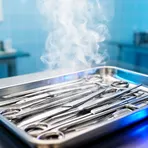
To make something like medical tools free of bacteria using heat or chemicals
 14
7.6
14
7.6
To treat a place with strong chemicals to kill pests and germs
 11
3.7
11
3.7
Make something clean and free from bacteria
 9
7.0
9
7.0
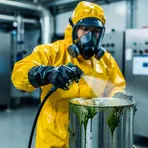
To remove harmful substances from a place or thing to make it safe
 4
5.9
4
5.9
To treat water and other things with chlorine to kill bacteria

To make something clean and free from germs
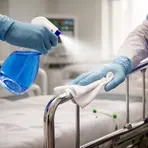
Remove germs from something by cleaning or using a disinfectant
Antonyms


How Thorough
- Specialized
29
4.1

- Specialized
9
7.0
18
3.7
- US
11
3.7
Surface Forms
Morphology
Etymology
Disinfect comes from the parts dis- meaning 'not' or 'undo' and infect meaning 'to pass disease' or 'make someone or something sick'. So, to disinfect is to clean or treat something to remove or kill germs so it is 'not infected'.