

to wipe
 531
1.0
531
1.0

- verb
- /waɪp/
- She used a cloth to wipe the spill off the table.
- wipe away
- wipe away tears
- wipe clean
Loading YouTube…
Watch on YouTubeNo, it's fine, they just forgot to wipe them, no big deal.
- No, it's fine, they just forgot to wipe them, no big deal.
- And what I have on, I need to wipe this off.
- It's like fight through the pain, wipe the tears and take another step.
- Wipe the hand, wipe the hand with the towel.
Examples
-
And then I'm also just going to wipe down the surfaces.
-
Twenty minutes later, as he paused to wipe his brow, he was still grinning.
Fiction book (1990) -
And what I have on, I need to wipe this off.
-
Wow, I need to really wipe that off for you guys.
-
OK, then you take this and you wipe all this off.
-
Oh yeah, you always got to wipe front to back.
-
Just wipe it away with your hand!
-
I told you to wipe that chocolate off of your face.
-
Don't wipe your hands on the car.
-
Beau dropped heavily on a rock and wiped his sweating face with both hands.
Fiction book (1990)
Synonyms
 ∞
1.0
∞
1.0
To remove dirt and stains
 66
1.0
66
1.0
To remove small dry particles from a surface by wiping or brushing
 37
1.0
37
1.0
To clean a floor with a long handle and wet cloth
 28
2.0
28
2.0
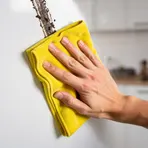
To remove something from a surface by moving a cloth over it, like tears or dirt
 22
4.0
22
4.0
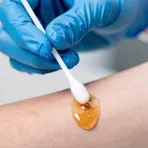
To clean a surface or put liquid on it using a cotton stick
 21
3.6
21
3.6
Take something off a surface or pass a feeling to another person by touching
 20
1.0
20
1.0
Remove dirt or marks from a surface by rubbing with a cloth
 8
1.8
8
1.8
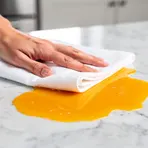
To clean a surface using a cloth or towel to remove a spill
 5
2.6
5
2.6
To remove liquid or dirt from a floor with a cloth
 4
4.1
4
4.1
To remove liquid by pressing a soft cloth or paper against a surface
 4
2.1
4
2.1
To clean up liquid by using a soft thing that soaks it up
 1
3.7
1
3.7
To move something gently over a surface

To remove dust or crumbs quickly with a light movement
Antonyms
Idioms


Phrasal Verbs
 28
2.0
28
2.0
To remove something from a surface by moving a cloth over it, like tears or dirt

Compounds

How Thorough

Surface Forms
Etymology
Wipe comes from an old English verb wipian meaning 'to rub away' or 'clean with a cloth'. So to wipe is to clean or dry a surface by rubbing it.