
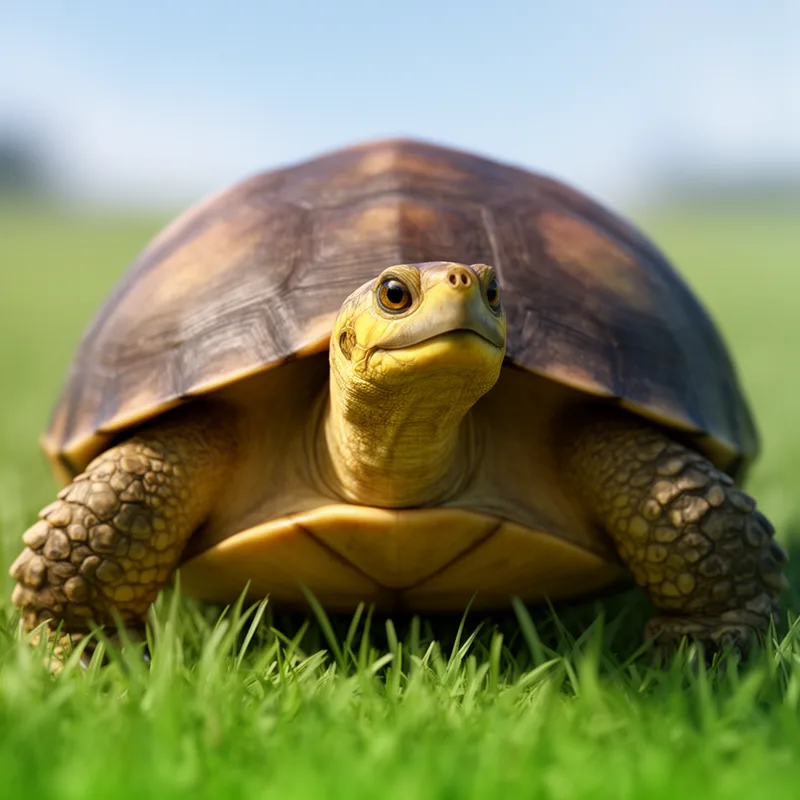
to exsert
- verb
- /ɛkˈsɜrt/
- Specialized
- The flower's stamens exsert beyond the petals, attracting pollinators.
Examples
-
The turtle cautiously exserted its head from its shell to look around.
-
Some insects exsert their stingers only when threatened.
-
The plant exserts its leaves in spring.
-
The cactus exserts its spines to deter predators.
-
The flower's stamens exsert beyond the petals, attracting pollinators.
-
Some insects exsert their stingers only when threatened.
-
The cactus exserts its spines to deter predators.
Synonyms

 265
2.7
265
2.7

To reach out with your body or make something longer
 89
3.5
89
3.5
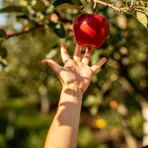
To put a hand forward to show or give something
 73
2.7
73
2.7
To stretch a hand toward something to touch it
 66
3.9
66
3.9
To push something or someone suddenly and forcefully forward
 61
3.2
61
3.2
To extend beyond a surface or edge
 23
4.3
23
4.3
To stick out from a surface
 20
3.4
20
3.4
Move part of your body, for example your arm, to reach or see something
 18
3.4
18
3.4
Hold a part of your body away from you, like a hand
 16
3.2
16
3.2
To move something outward using force
 16
3.5
16
3.5
To stick out from something like a wall or table
 15
2.9
15
2.9
Coming out past a surface so it can be seen
 9
3.4
9
3.4
To stick out from a surface like a rock or shelf
 9
3.9
9
3.9
To make something reach forward, like an arm or wing
 8
5.0
8
5.0
To spread outward from a central point
 6
3.9
6
3.9
To move outward in a wide, sweeping motion
 2
4.8
2
4.8
Push something outward suddenly and strongly
 1
6.1
1
6.1
To reach out a hand or arm toward something to offer help

To throw or spread something outward with force
Antonyms

How Extended

Surface Forms
Morphology
exsert = ex + sert
The prefix 'ex-' ('out') matches the sense, but the root 'sert' is not a standalone English word and is obscure to learners, so the relation is only partly transparent.
Etymology
Exsert comes from the Latin parts ex- 'out' and sert, as in insert, and together they give the idea 'put out'. So, to exsert something is to 'stick out' or push it out from a surface, like a stinger or a flower's stamen.