

to stick out
 61
3.2
61
3.2

- phrasal verb
- /stɪk aʊt/
- Both head and shoulders stuck out over the edge of the bed.
- stick out a little
Loading YouTube…
Watch on YouTubeThat is a sharp blade sticking out of this iPhone case.
- That is a sharp blade sticking out of this iPhone case.
- So my fingers stick out when I throw the arm down.
- But these two objects that are sticking out of my pant leg are like glowing white.
- It has like this USB cable that sticks out in the back.
- Boris Becker, if you know when he's serving, his tongue sticks out a little bit.
- And then I see I'm sticking out of my pant legs.
- If she sticks out her tongue, then we know it confirms it.
- And I like how the skirt sits like it sticks out a little bit.
- So the only thing about this is that the wheels stick out.
- They were just an electric box extended out that was sticking out.
- We just, we're just seeing these things that stick out of the ground.
Examples
-
It has like this USB cable that sticks out in the back.
-
Build the Empire State building here, and the top half would stick out of the water.
-
We just, we're just seeing these things that stick out of the ground.
-
So my fingers stick out when I throw the arm down.
-
This part sticks out further, so here and here.
-
Your shirt is sticking out.
-
I could see your belly sticking out from behind the trees.
-
It's lying just in front of her, its handle sticking out over the edge of the shelf.
Fiction book (1990) -
A large boulder sits in the middle of the floor, and others stick out of the walls.
Academic text (2007) -
The branch of the tree sticks out over the fence into my yard.
Synonyms
 265
2.7
265
2.7
To reach out with your body or make something longer
 89
3.5
89
3.5
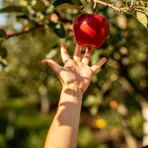
To put a hand forward to show or give something
 73
2.7
73
2.7
To stretch a hand toward something to touch it
 31
5.8
31
5.8
To stick out from a surface or edge
 23
4.3
23
4.3
To stick out from a surface
 20
3.4
20
3.4
Move part of your body, for example your arm, to reach or see something
 19
4.8
19
4.8
To stick out from a surface, as when a balcony hangs over a street
 16
3.5
16
3.5
To stick out from something like a wall or table
 9
3.4
9
3.4
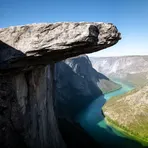
To stick out from a surface like a rock or shelf
 9
3.9
9
3.9
To make something reach forward, like an arm or wing
 7
3.6
7
3.6
To stick out over the edge of something
 3
3.7
3
3.7
To stick out in a round shape, like a pocket or balloon
 1
6.1
1
6.1
To reach out a hand or arm toward something to offer help
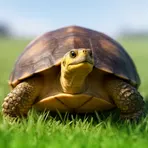
To stick out from something

To stick out from a surface like a bump
Antonyms

How Far

Surface Forms
Morphology
stick + out
The meaning 'to extend outward or project beyond a surface' is directly derivable from combining 'stick' (a verb implying being fixed or projecting) with the directional particle 'out' which signals outward direction. This verb+particle composition is a regular, cross-linguistically common pattern in English phrasal verbs, so a B1 learner who knows the constituent meanings would likely infer the MWE meaning.
Etymology
Stick out describes a part that sticks out from a surface—like a broken branch or a piece of wire showing beyond a fence—so it simply means 'to extend out from a surface'.