
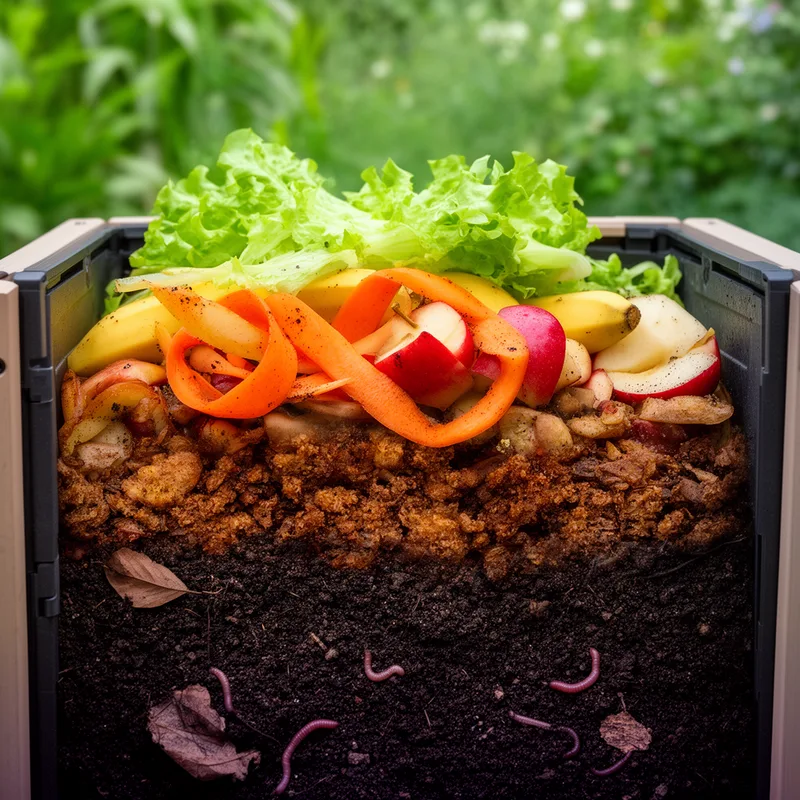
decayable
- adjective
- /dɪˈkeɪəbl/
- Many food items are decayable if not stored properly.
Examples
-
Proper storage can extend the lifespan of decayable food items.
-
Compost is made from decayable materials.
-
Fresh organic waste is highly decayable and must be processed quickly.
-
Packaging materials made from decayable substances are considered more environmentally friendly.
-
Fresh organic waste is highly decayable and must be processed quickly.
-
Proper storage can extend the lifespan of decayable food items.
-
Packaging materials made from decayable substances are considered more environmentally friendly.
Synonyms
 15
4.6
15
4.6

Material that living things such as bacteria break down naturally without harming the environment
 12
4.6
12
4.6
Likely to go bad quickly, especially food
 1
4.4
1
4.4
Can break down naturally by bacteria or chemicals
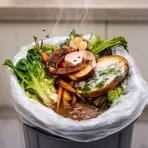
Likely to rot, like food or plant waste
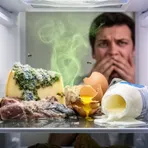
Able to rot and produce a bad smell

Likely to go bad and become unsafe to eat or use
How Perishable

Surface Forms
Morphology
Etymology
The word decayable is built from decay, meaning 'to rot or spoil', and the ending -able, meaning 'can be'. So, decayable means 'can rot or spoil', which is why we call food or organic waste decayable when it breaks down.