
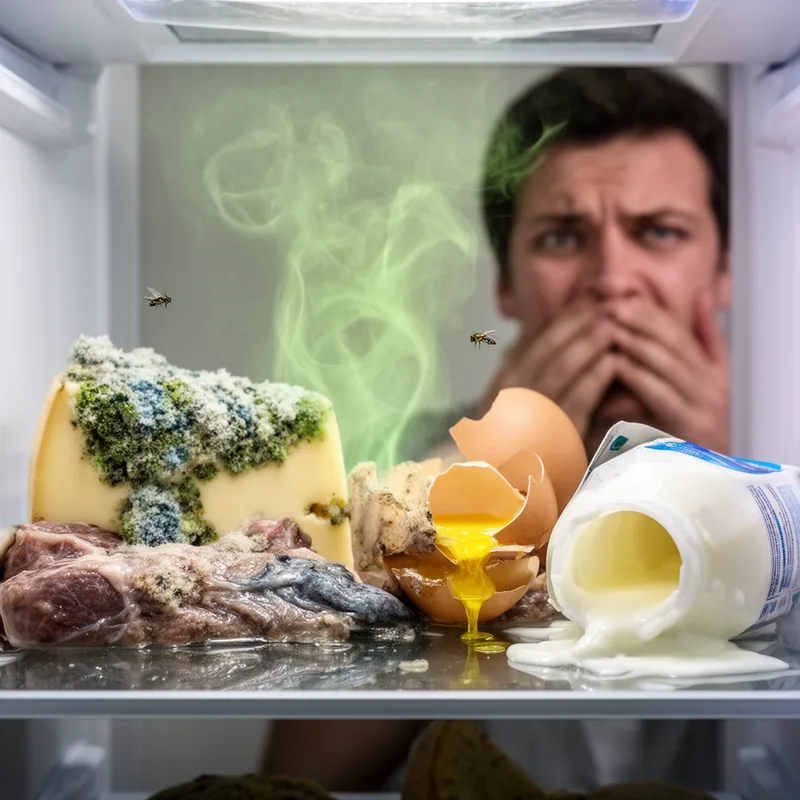
putrefiable
- adjective
- /ˌpjuːtrəˈfaɪəbl/
- Organic waste is highly putrefiable and attracts bacteria if not disposed of properly.
Examples
-
Meat and dairy products are among the most putrefiable food items in your refrigerator.
-
The scientist noted that the sample was putrefiable and required immediate analysis.
-
The putrefiable waste must be disposed of properly.
-
Organic materials are often putrefiable in warm conditions.
-
Meat and dairy products are among the most putrefiable food items in your refrigerator.
-
Organic waste is highly putrefiable and attracts bacteria if not disposed of properly.
-
Organic materials are often putrefiable in warm conditions.
Synonyms
Likely to rot, like food or plant waste
Able to rot or break down naturally

Likely to go bad and become unsafe to eat or use
Antonyms

How Perishable


Surface Forms
Morphology
Etymology
The word putrefiable comes from an old root related to putrid, which means 'rot'. The -able part means 'can', so putrefiable means something that 'can rot' or 'spoil', which is why we use it for things likely to decay.