

spoilable
- adjective
- /ˈspɔɪləbəl/
- Because the product is spoilable, it's important to check the expiration date before purchase.
Examples
-
Don't forget that dairy products are spoilable!
-
They used non-spoilable materials to avoid any risk of decay during shipping.
-
Most fresh vegetables are highly spoilable and need refrigeration.
-
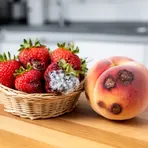
This fruit is spoilable!
-
Make sure to consume any spoilable food items before their expiration date.
-
The grocery store had a section dedicated to spoilable items that needed to be sold quickly.
-
She regretted buying spoilable foods in bulk, as half of them went bad before she could use them.
Synonyms
 12
4.6
12
4.6

Likely to go bad quickly, especially food
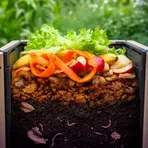
Able to rot or break down naturally

Able to rot and produce a bad smell
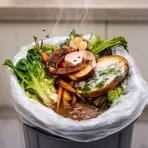
Likely to rot, like food or plant waste
Antonyms


How Perishable
 1
3.2
1
3.2
Surface Forms
Morphology
Etymology
The word spoilable is built from the common verb spoil, which means 'to go bad' or 'to ruin', and the part -able, which means 'can'. So a spoilable item is one that 'can go bad', like fresh fruit left in warm air.