

to decamp
 4
8.5
4
8.5

- verb
- /dɪˈkæmp/
- The tenant decamped without arranging for a charwoman to clear up after him.
- decamp to Hollywood
- decamped from home
Examples
-
You should definitely decamp to Idaho and find yourself a cave or bunker to hunker down in.
Blog text (16) -
The family stayed in Quaker housing there for a few weeks, then decamped for a Quaker colony at Haverford, Pa.
Blog text (31) -
We can decamp and be out of here within the week.
-
If anything, the young with children will have to decamp in order to afford anything more than a condo or apartment.
Blog text (9) -
Every summer, the Royal family just decamped to the Scottish Highlands, and it's actually said that it's one of the Queen's favorite places to be.
-
And as populations decamp from the suburbs and the metroplexes, these are places that might attract them.
Blog text (10) -
The tenants have decamped.
-
In the nineteenth century, Manhattanites used to decamp for the summer to grand mansions on Clinton Avenue, a few blocks away.
Blog text (7) -
After picking up fine china at the Crown house on Michigan, fearing prosecution, he'd decamped from Frankel's without giving notice.
Fiction book (1993) -
The children planned to decamp from the campsite before sunrise to avoid detection.
Synonyms
 260
3.7
260
3.7
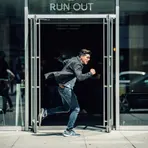
To leave a place or person suddenly, often without saying goodbye
 147
3.7
147
3.7
To leave a place quickly and secretly to avoid trouble
 125
3.7
125
3.7
To leave a place quietly so no one notices you
 78
2.0
78
2.0
Leave a place suddenly, often to avoid someone or something
 69
2.3
69
2.3
To run away suddenly to escape danger
 39
3.8
39
3.8
To leave a place quietly without anyone noticing
 33
4.0
33
4.0
Leave a place quietly so others do not notice
 32
3.4
32
3.4
To leave a place quietly without anyone noticing
 28
8.1
28
8.1
Leave a place suddenly and secretly to avoid trouble or debt
 19
6.4
19
6.4
To run away quickly after stealing or committing a crime
 17
3.6
17
3.6
To leave a place quietly without being noticed
 12
7.2
12
7.2
To leave a place quickly and quietly to avoid something you should do
 12
7.9
12
7.9
To leave a place suddenly without permission
 11
8.5
11
8.5
To leave quickly and secretly with money or things to avoid being caught
 11
4.4
11
4.4
Leave a place quickly to avoid being caught after causing or seeing trouble
 5
6.6
5
6.6
Leave a place quickly because people are angry or you are in trouble
 4
6.3
4
6.3
To leave a meeting or party quietly so no one notices
 3
8.2
3
8.2
To leave a place quickly to escape danger
 2
9.8
2
9.8
To leave a place quickly to avoid trouble

To leave a place quickly and secretly, often taking things or someone
Antonyms

How Stealthy

Surface Forms
Morphology
Etymology
Decamp comes from French parts de- meaning 'away' and camp meaning 'camp' or a place where soldiers stay; think of troops leaving their camp quickly. So, to decamp now means to leave a place suddenly and often secretly, like escaping before you are caught.