

to wither
 91
4.4
91
4.4

- verb
- /ˈwɪðər/
- And as we don't use some of them, they just wither away and die.
- wither away
- wither and die
- begin to wither
Loading YouTube…
Watch on YouTubeWhere there is no trust, music quite simply Withers away.
- Where there is no trust, music quite simply Withers away.
- And when you cut it off, democracy Withers and dies.
- And as we don't use some of them, they just wither away and die.
- For like the grass they will soon wither, like green plants they will soon die away.
- And just as praise builds you up, criticism Withers you.
- They may be hurt, and those poor plants experiencing your benign neglect may wither and die.
- If it's too dry, seeds will sprout and then they'll wither and die.
- Two degrees more and we jeopardise the food supply for hundreds of millions of people as crops wither, locusts swarm.
- We were loading up the rest of the car and this other truck with plants and it withered away in the sun.
- Her skin began to wither, her body reclaiming the form it had known in death.
- She was literally disappearing, withering away.
- So yes, it is common for production studios to abandon their props and let them wither away.
Examples
-
If we can't renegotiate, we wither and die.
-
For like the grass they will soon wither, like green plants they will soon die away.
-
Eventually, their food source would wither and die, and they would have to find another.
Fiction book (1991) -
Her skin began to wither, her body reclaiming the form it had known in death.
-
But what we see as people go through their lives is that perfectly good relationships can wither away just from neglect.
-
If you believe predictions that do not empower you, you will wither away and die.
-
Its breath could wither trees, scorch grass, and shatter stones.
-
Granted, she's got a great pair of bulbs, but she's going to wither and die before the new year.
-
The teenager's skeleton has no left ankle; the leg bones taper to withered points.
Academic text (2011) -
Without water, the flowers will wither and lose their vibrant colors.
Synonyms
 840
4.8
840
4.8
To stop being felt, as a feeling or idea
 531
1.2
531
1.2
To slowly become less visible, bright, or loud
 54
4.4
54
4.4
To become smaller, dry, and wrinkled because it loses water
 32
7.2
32
7.2
To become weak and lose energy because of neglect or sadness
 19
2.7
19
2.7
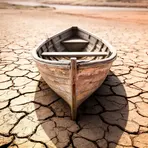
To lose all water or moisture so it has none left
 16
4.2
16
4.2
To slowly become weaker or fall apart because it is not cared for
 11
3.5
11
3.5
Become small, dry, and wrinkled because it loses water
 7
5.5
7
5.5
To become weak and thin because of sickness or not eating enough

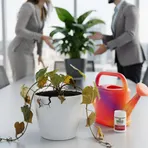
To become limp and dry when a plant has no water
Antonyms

Idioms
How Withered

Surface Forms
Etymology
The word wither comes from an old English word that meant 'to dry up' or 'to shrivel'. So, to wither is to lose freshness and strength, like a plant that dries and becomes weak.