

to wilt
 11
3.7
11
3.7

- verb
- /wɪlt/
- Label says try not to wilt in the sun.
- wilt under pressure
- start to wilt
- begin to wilt
Loading YouTube…
Watch on YouTubeFive years ago, I would have wilted like spinach in a boiling pan with these pauses.
- Five years ago, I would have wilted like spinach in a boiling pan with these pauses.
- To watch him wilt and to get on top of him and beat him with my fists until he gives up his neck and I snatch his soul out of his body.
Examples
-
The younger Lasky looks like he's starting to wilt... under the pressure from the Bulldog of North Bergen.
-
Charlotte, already wilting in the day's soggy heat, nodded at this.
Fiction book (1998) -
Did you start to wilt?
-
But instead of wilting, I found a way to fight through it.
-
And so it was one of those times, like, most people had always wilted under pressure.
-
And under the harsh glare of scrutiny, words that seemed strong can suddenly seem to wilt.
Academic text (2009) -
Braddock looks like he's finally starting to wilt.
-
"Some of the kids are starting to wilt," Margaret Thatcher repeated, this time addressing Tom and Jackson.
Fiction book (1994) -
Inwardly, Isabelle wilted again, though she thought she kept her expression calm.
Fiction book (2000) -
The athlete began to wilt in the intense heat of the midday sun.
Antonyms


Compounds

- Specialized

 1
7.4
1
7.4
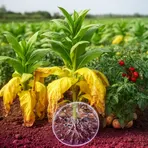
A plant disease that makes leaves wilt and turn yellow, caused by a fungus called Fusarium

- Specialized
A disease caused by bacteria that makes tobacco, tomato, and potato leaves wilt and turn yellow

How Weakened

Surface Forms
Etymology
Wilt comes from the image of a plant drying and losing power, so by extension it also means 'to lose strength' or feel weak; that's why people can wilt from heat, tiredness, or pressure.