
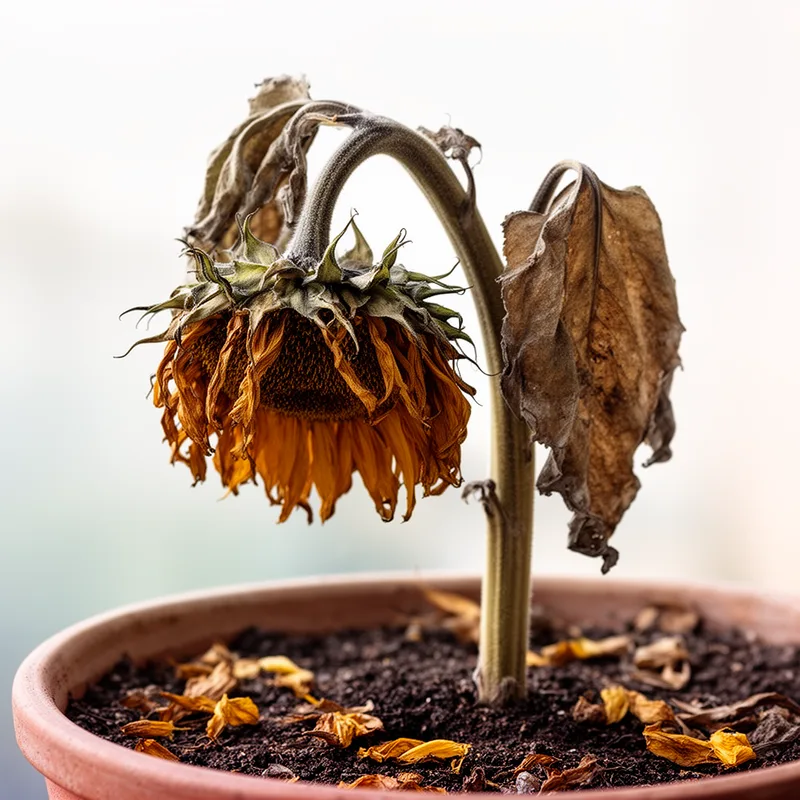
to die
 ∞
1.0
∞
1.0

- verb
- /daɪ/
- I believe that your son, Jesus Christ died on the cross for me.
- dying patients
- people die
- die of disease
Loading YouTube…
Watch on YouTubeSo she says when her father died, she was grieving.
- So she says when her father died, she was grieving.
- I have friends who've died so early of cancer.
- One of the guys died at the FoB.
- In South Africa, people died, people were killed.
- And her mom, when she died, they cremated her.
- A mummy in which we die many deaths.
- And then the truth is Bobby's dad died and and he relapsed.
- For neither do men live nor die in vain.
- My Mama and my daughter died on the same day.
- And you look at the risk of, of dying during that.
- So all those guys sadly died except Marcus.
- It was the only thing to do after the mule died, honestly.
- This is what I believe and I'm willing to die for it.
Examples
-
We know for sure that we will die, we just don't know when.
-
If you stay here, you will die.
-
And four, four people had died before trial.
-
My Mama and my daughter died on the same day.
-
Are you willing to die for this?
-
In South Africa, people died, people were killed.
-
- My mom died when I was three and a half.
-
When she died, he was terribly broken up.
-
Two of the male participants' mothers died, and three of the male participants' fathers died.
Academic text (2008) -
My Mama and my daughter died on the same day.
Synonyms
 537
3.8
537
3.8
To stop living
 258
2.7
258
2.7
To die, said in a gentle or polite way
 121
6.0
121
6.0
To die suddenly or violently, often in large numbers
 62
9.9
62
9.9
To stop living, used in formal or old language
57
9.9
To die suddenly from an accident or attack
 52
8.4
52
8.4
Die suddenly, often from shock or extreme tiredness
 32
9.0
32
9.0
To die, said in a casual or joking way
 31
8.6
31
8.6
To die, often used in medical or formal speech
 10
8.6
10
8.6
To die
 8
3.8
8
3.8
To die peacefully in a gentle, respectful way
 7
8.6
7
8.6
To die, said in casual or joking speech
 5
9.9
5
9.9
To die suddenly, often in an accident or during fighting
 4
8.1
4
8.1
To die or stop working after a long time of problems
 2
7.9
2
7.9
To stop living
 2
9.9
2
9.9
To stop living and not come back


 1
9.7
1
9.7
To stop living as a natural part of life
 1
9.1
1
9.1
To die, often said as a joke to make it seem less serious

Die because of an accident, violence, or disaster

To die in a light, not serious way
Antonyms

Idioms








Phrasal Verbs







Compounds



- Informal
1
6.0
A time when someone must succeed or they will fail under great pressure


- Australian
A small bush from the tropics whose leaves fold when touched and that has sharp thorns

- Specialized
Work of designing, making, and fixing metal tools and forms used to make parts
How Final
15
4.5

- Formal
121
6.0
- Informal
4
8.1
∞
1.0
69
3.0
Surface Forms
Etymology
The word die (to stop living) comes from very old Germanic words that also gave us dead and death, meaning 'no longer alive'. So to die is simply to 'stop living', which is why the word means losing life.