

ungregarious
- adjective
- /ʌnɡrɪˈɡɛəriəs/
- Despite his colleagues' invitations, he remained ungregarious and preferred to eat lunch alone.
Examples
-
The ungregarious nature of the animal made it difficult to study in groups.
-
She was an ungregarious child, often found reading by herself rather than playing with others.
-
She is quite ungregarious and prefers to spend time alone.
-
Unlike most dogs, my pet is ungregarious.
-
Despite his efforts to join the conversation, he always felt ungregarious and preferred to sit alone.
-
The ungregarious cat would often hide under the bed instead of socializing with the other pets.
-
Many ungregarious students find it challenging to make friends in a busy school environment.
Synonyms

 24
7.4
24
7.4

Tends to live alone and avoid other people
 14
5.1
14
5.1
Preferring to be alone and avoiding social situations
 3
6.6
3
6.6
Not friendly and hard to talk to so people avoid them
 2
5.3
2
5.3
A person who does not enjoy being with other people
 1
7.7
1
7.7
Not wanting to feel close to others because it causes anxiety


 1
7.2
1
7.2
Prefers to be alone and avoids meeting other people
 1
4.8
1
4.8
Prefers being alone and avoids spending time with others
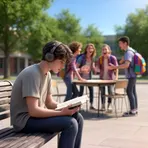
Prefers to be alone and avoids other people

Not living or growing in groups
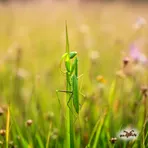
Not living in groups or colonies

Not talking much and not showing strong feelings

A little shy and quiet, preferring small groups or being alone
Antonyms

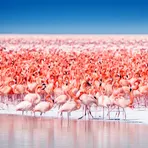
How Sociable

Surface Forms
Morphology
ungregarious = gregarious (transparent) = un + gregarious
Productive negative prefix 'un-' attached to the adjective 'gregarious' yields a straightforward negation meaning 'not sociable'.
Etymology
Ungregarious is made of un- meaning 'not' and greg- meaning 'flock' or 'group', the same root you see in congregate ('to gather'). So an ungregarious person is someone who does not join the group and prefers to be alone.