
gregarious


 1
7.0
1
7.0
- adjective
- /ɡrɪˈɡɛr.i.əs/
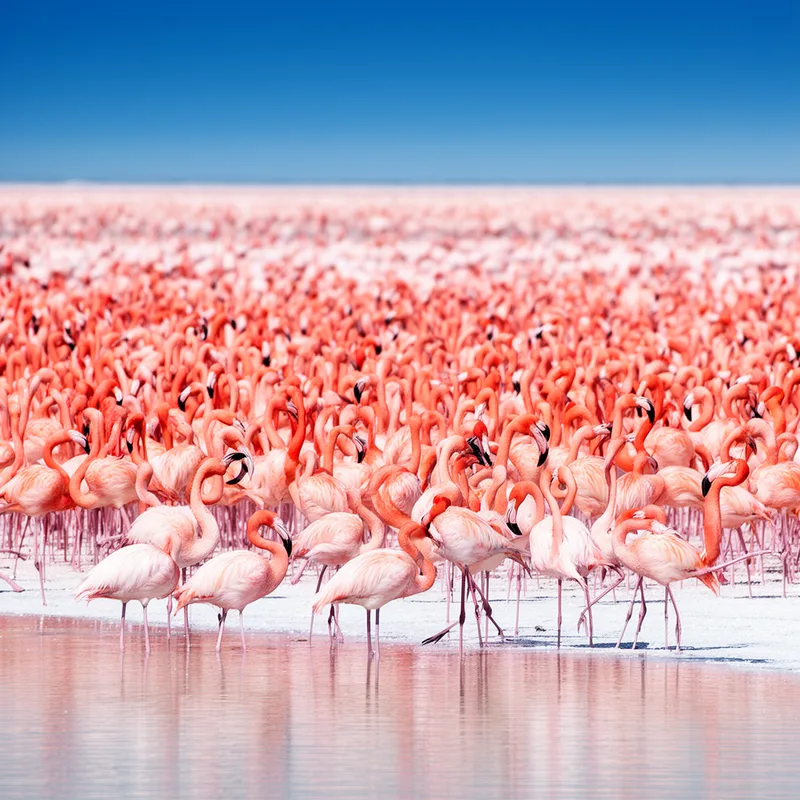
- Native to Africa, they are known for traveling in large, gregarious flocks, moving together for safety.
- gregarious carnivores
Examples
-
Decoys were used to lure the gregarious birds ashore after they were reintroduced to the island after a 100-year absence.
Blog text (8) -
Unlike the gregarious pigeons, territorial Zenaida doves have little chance to learn from other doves.
Academic text (1996) -
Bats are among the most diverse and gregarious of all mammals.
Academic text (2008) -
Compared with common chimpanzees, bonobos seem to be more pacific and gregarious.
Academic text (1990) -
The records suggest that H. ensifer is gregarious and possibly follows scent trails in swarms.
Academic text (1992) -
Flamingos are gregarious birds.
Blog text (2) -
Spotted hyenas are large, gregarious carnivores that live throughout sub-Saharan Africa.
Academic text (1998) -
Bats are among the most diverse and gregarious of all mammals, often found in large colonies.
-
Nomadic and gregarious, plains zebras are often seen in herds grazing together on the savannah.
Synonyms
 21
1.6
21
1.6
Enjoying being with other people and making friends

Liking to live and work closely with many other people or animals

A person who likes being with others and meeting new people
Antonyms

How Social

Surface Forms
Morphology
gregarious = gregar + ious
The combining form 'gregar-' is not a standalone or productive English word, so learners cannot reliably derive the meaning from its parts despite the -ious suffix.
Etymology
Gregarious comes from the Latin grex which means 'flock' or 'herd', the same root you see in congregate. So for animals, gregarious means they form flocks or herds and live or move together.