
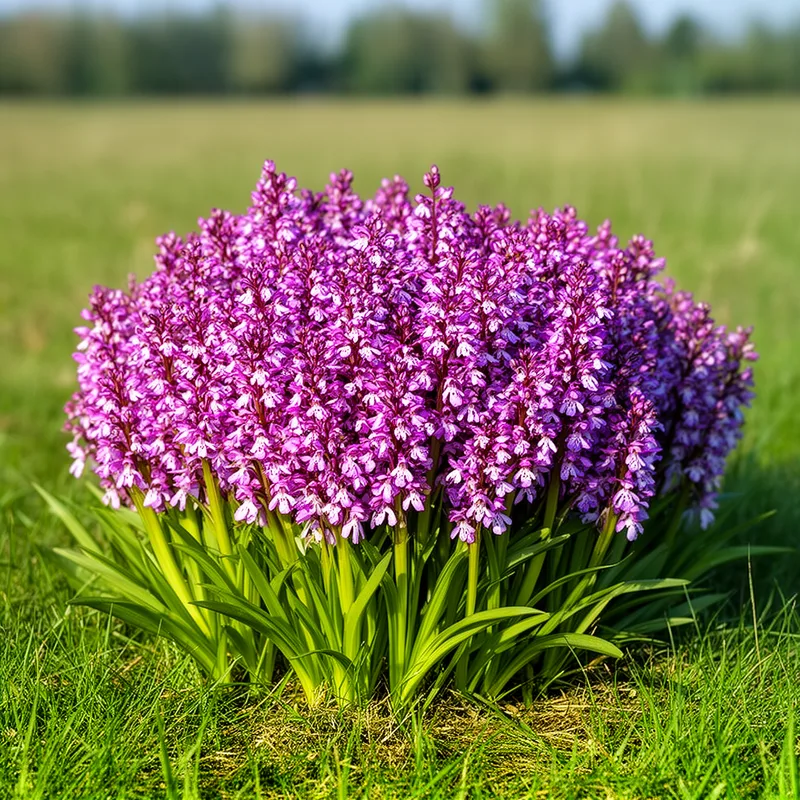
gregarious
- adjective
- /ɡrɪˈɡɛr.i.əs/
Examples
-
But Melville's method of information is an extravagant, poetic language, an exalted factuality: The Fin-Back is not gregarious.
Fiction book (2000) -
Many species of flowers are gregarious, often growing side by side in colorful clusters.
-
The gregarious plants covered the field, creating a vibrant display during the spring.
-
In the garden, the gregarious vines sprawled across the trellis, thriving in close proximity to each other.
Synonyms

 8
4.3
8
4.3

Living together in groups like ants or coral

Plants or trees that grow very close together and form a crowded group
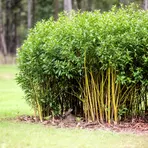
Plants that grow close together to make thick groups of plants
Antonyms


How Clustered

Surface Forms
Morphology
gregarious = gregar + ious
The combining form 'gregar-' is not a standalone or productive English word, so learners cannot reliably derive the meaning from its parts despite the -ious suffix.
Etymology
Gregarious comes from the Latin grex which means 'flock' or 'herd', the same root you see in congregate. So when a plant is called gregarious, it means the plants grow closely together in groups.