
colonial
 106
4.9
106
4.9

- adjective
- /kəˈloʊniəl/
- The museum showcases artifacts from the colonial period, highlighting the history of colonization.
- colonial period
- colonial era
- colonial rule
Loading YouTube…
Watch on YouTubeWe are became wards of this colonial state and we are not human.
- We are became wards of this colonial state and we are not human.
- Because of that, because of the tension between colonial and Indigenous law.
- That was, you know, the old traditional colonial ways that Mark talked about.
- Well, it takes off because we're becoming a, a colonial power.
- Unlike what we've seen so far, the European colonial powers do not always stand together.
- So anti colonial movements in India are great, right?
- And Kamilnitsky is an anti colonial hero from a Ukrainian perspective.
- So the fascist with, you know, colonial pretensions in the in the Horn of Africa.
- They gave a very large segment away to colonial farmers and to set up a big reserve.
- A great act of dissent in in colonial America.
- They would maybe lose that if they now launch a new colonial offensive.
Examples
-
The British colonial administrators ignored our pleas to let us keep our land.
-
In 1945, American forces regained control, and the colonial government recognized Philippine independence on July 4, 1946.
Academic text (2015) -
It's trying to hold on to a colonial situation.
-
Well, it takes off because we're becoming a, a colonial power.
-
When we came out of colonial administration, we became independent.
-
Thus the Portuguese colonial empire was born.
-
The majority have their origins in the colonial era and are more than 100 years old today.
Academic text (2008) -
In colonial times, gardens were utilitarian.
-
Consequently, since the beginning of the colonial era, the Indians have struggled to recover their lands.
Academic text (2008) -
The architecture of the city reflects its colonial past, with many buildings dating back to the 18th century.
Compounds

- Specialized
1
4.2
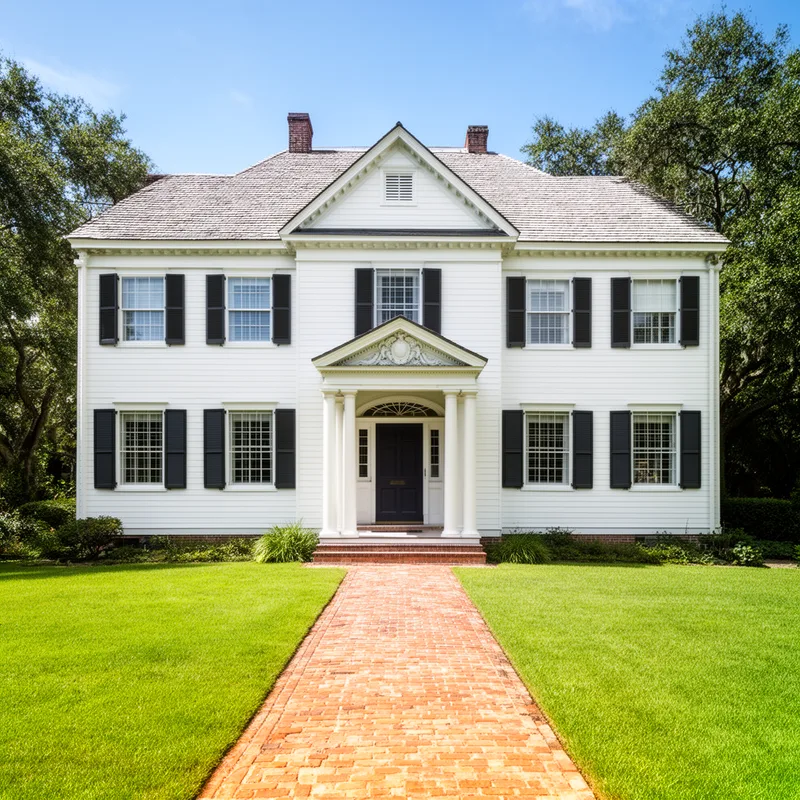
Buildings from when one country ruled another that show the ruler's style
How Colonial


Surface Forms
Morphology
Etymology
Colonial comes from colonia 'settlement', and it describes things from the time when one country set up settlements in another, which is why we call old houses or objects from that time 'colonial'.