
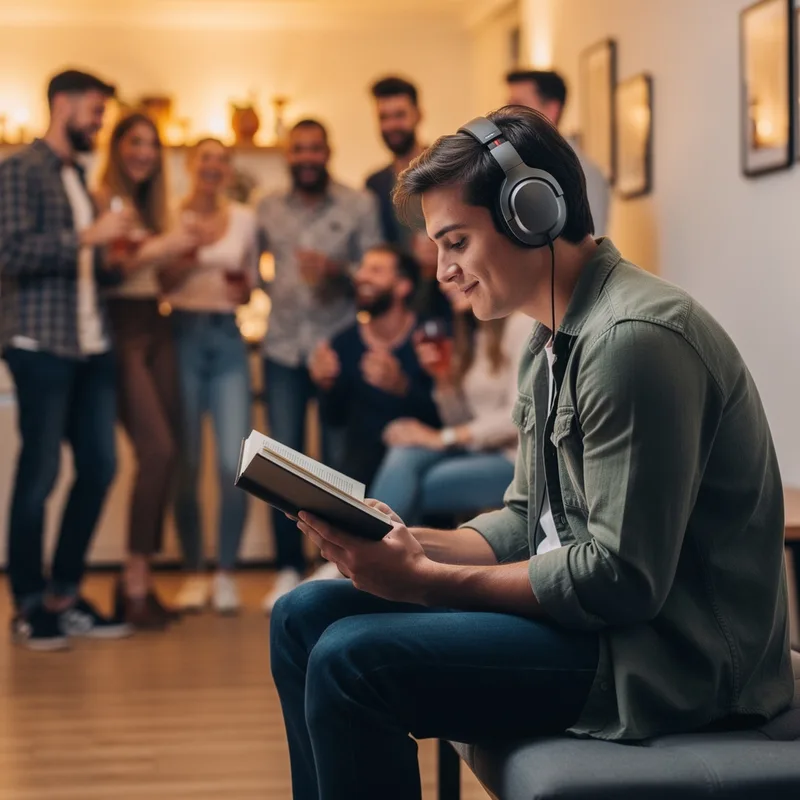
antisocial
 14
5.1
14
5.1

- adjective
- /ˌæn.tiˈsoʊ.ʃəl/
- In that way, she thought, the life of a Vision pilot was an odd one, an almost antisocial profession.
- antisocial behavior
Loading YouTube…
Watch on YouTubeCats being antisocial, cats being loners, solitary, all a myth.
- Cats being antisocial, cats being loners, solitary, all a myth.
- It's pretty advantageous for your immune system to tell your brain, hey, now be antisocial for, you know, a few days.
- It's very hard because we're constantly moving into an antisocial world, you know?
- Fortunately, nowadays my work is, is, is antisocial, antisocial hours, but I love my work.
- And introvert and TJ very high IQ antisocial introverts.
- It's a platform for antisocial people to talk.
- You have to understand, I don't like, and I've said this before, I don't like that a lot of our social media platforms were created by antisocial people.
Examples
-
His antisocial behavior has kept him from making friends at school.
-
I'm inherently antisocial, introvert, whatever you want to call it.
-
It's a platform for antisocial people to talk.
-
Why is he so antisocial anyway?
-
It's very hard because we're constantly moving into an antisocial world, you know?
-
But she was, like, totally antisocial.
-
Our intent is not to make a game where antisocial people rule the world.
Blog text (29) -
Sometimes it felt a bit antisocial, but it was also comforting because I was a little lonely.
Academic text (1997) -
Desire to be alone is not always due to antisocial behavior, and shouldn't be thought of as a negative.
Blog text (2) -
And if you're antisocial, if you don't want to surround yourself with people who are telling you good things, it's just going to make your problems bigger.
Synonyms
 24
7.4
24
7.4
Tends to live alone and avoid other people
 18
5.8
18
5.8
A person who prefers quiet time and small groups
 3
6.6
3
6.6
Not friendly and hard to talk to so people avoid them
 2
5.3
2
5.3
A person who does not enjoy being with other people
 1
7.7
1
7.7
Not wanting to feel close to others because it causes anxiety


 1
7.2
1
7.2
Prefers to be alone and avoids meeting other people
 1
4.8
1
4.8
Prefers being alone and avoids spending time with others

Someone who is quiet and prefers to be alone instead of being with others

Not sociable and preferring to be alone
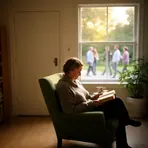
A person who prefers to be alone or a place that gives privacy
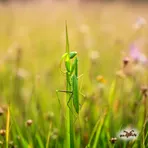
Not living in groups or colonies
Antonyms

Compounds

- Specialized
2
6.5
A long-term mental condition where a person ignores other people's rights, feels no guilt, and acts impulsively

How Sociable

Surface Forms
Morphology
Etymology
Antisocial has the parts anti- meaning 'against' and social meaning 'being with others', so antisocial describes someone who prefers to be alone or avoids the company of others.