
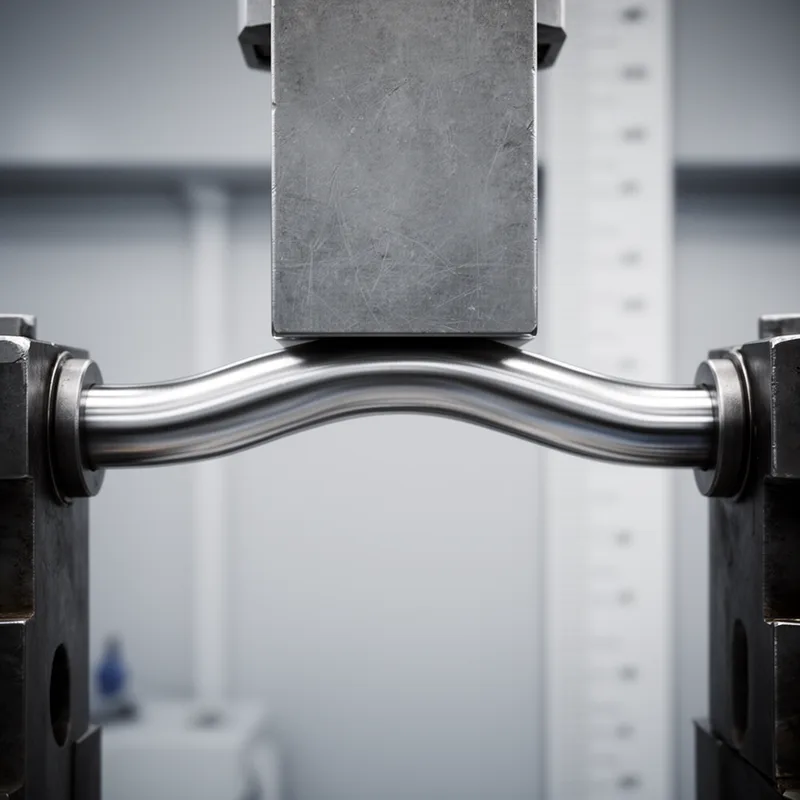
strain
 5
7.5
5
7.5

- noun
- /streɪn/
- Specialized
- The breaking strain at this point should be around 123.36 pounds.
- strain gauge
- stress and strain
- strain data
Loading YouTube…
Watch on YouTubeAnd you detect this extra strain that was there.
- And you detect this extra strain that was there.
- And what it will do is it'll cause stresses and strains along perpendicular to the line of sight to the pulsar.
Examples
-
And you detect this extra strain that was there.
-
I could plot stress versus strain and I would get a straight line.
-
The strain in that stone is too great-
-
That drop puts too much strain on the stone.
-
The force at the fingertip was monitored by a strain gauge load cell.
Academic text (1992) -
We also attempt to shape these external surfaces so that the internal strains do not damage the soft tissue.
Academic text (1993) -
Without proper support and rest, the body is pulled off its natural axis, causing fatigue and strain in both the upper torso and the lower extremities.
-
The engineer explained how the strain in the bridge increased when heavy vehicles crossed it.
-
During the experiment, the scientists measured the strain that developed in the metal under high pressure.
-
The materials must withstand significant strain to ensure the stability of the structure during earthquakes.
Synonyms
 7
5.9
7
5.9
A change in the shape of an object that makes it look or work worse

A feeling of being pulled tight in muscles or ropes
Idioms



- Informal
To want to start doing something very eagerly while being held back
Compounds





- Specialized
A tool that measures how much a material changes shape when pushed or pulled


How Strained

Surface Forms
Etymology
Strain in physics comes from an old root meaning 'to stretch' or 'to pull', the same root as string. So physical strain is the change in shape when something is stretched or pushed and becomes deformed.