
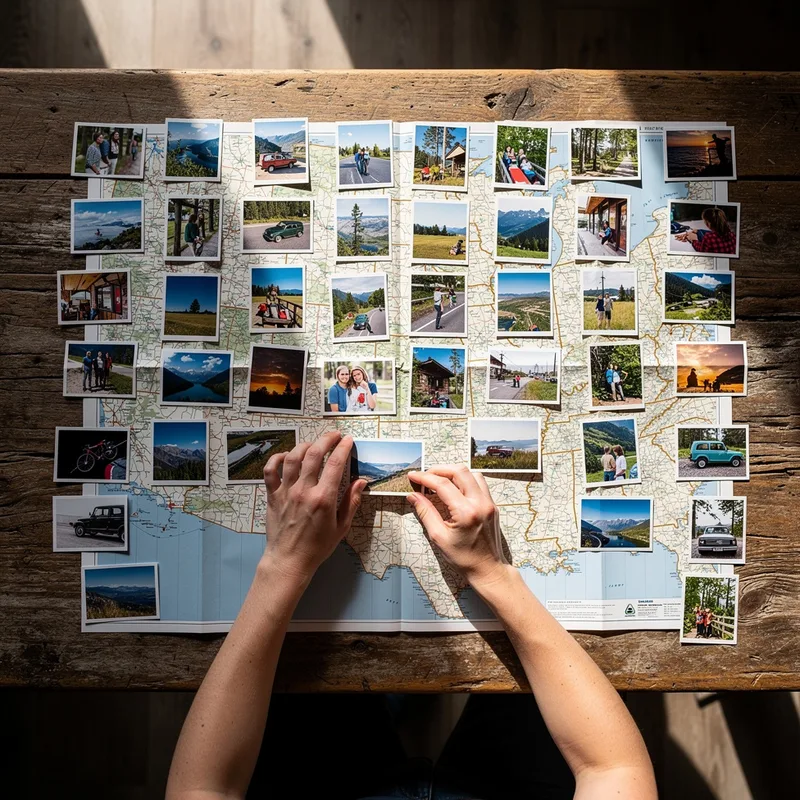
to spread out
 24
3.1
24
3.1

- phrasal verb
- /sprɛd aʊt/
- She spread out the photographs on the table to show everyone her vacation memories.
Loading YouTube…
Watch on YouTubeAnd so we just had the tent top spread out with a trench dug around it.
- And so we just had the tent top spread out with a trench dug around it.
- You, you know, you spread out your manufacturing, for example.
- Just do you know, just the future was spread out before us.
- If you have something with a very narrow frequency, then it must be spread out in space.
Examples
-
The lawyers have their books and papers spread out in front of them.
Fiction book (1992) -
If I spread out those cards, you all have different numbers on them.
-
And so some advice to players who may be new is spread out your forces.
-
It's better if the risk is spread out over the whole world.
-
The cards can also be spread out on the floor in a small designated area.
Academic text (1998) -
We should look for productive ways to spread out responsibility and ownership.
Academic text (1999) -
Standard tests are designed to spread out pupils' scores from high to low.
Academic text (2003) -
You wanna make sure it's all spread out evenly.
-
After hanging up some of their clothes, they spread out on their respective beds.
Fiction book (1991) -
Eduviges' face reddened and she looked at the dress patterns spread out on the kitchen table.
Fiction book (1990)
Synonyms
 805
2.5
805
2.5
To grow larger in size, amount, or importance
 664
1.6
664
1.6
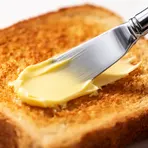
To put a thin layer over a surface
 285
1.0
285
1.0
Make something longer or wider by pulling it
 187
2.8
187
2.8
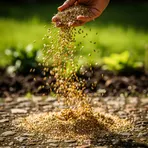
To spread small things like leaves or seeds over an area without order
 127
2.3
127
2.3
To extend across a large area or long distance
 104
4.4
104
4.4
To cause people and things, like a crowd or fog, to spread over a wide area
 100
3.1
100
3.1
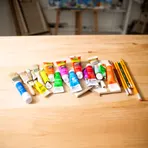
To arrange items so they are ready and easy to see
 40
5.5
40
5.5
To spread out and reach many people or places
 39
1.3
39
1.3
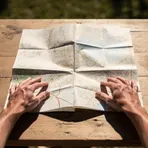
Open something that is folded so it becomes flat
 32
3.2
32
3.2
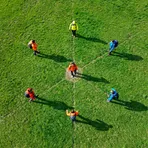
To arrange objects or information in a clear organized way
 30
3.7
30
3.7
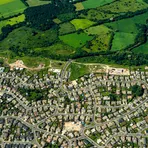
To spread out from one point in different directions
 27
4.6
27
4.6
To spread out over a large area in an untidy way
 23
3.1
23
3.1
Place things evenly in a space
 17
3.6
17
3.6
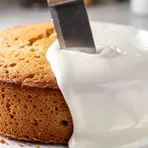
Form a layer across a surface, like fog or icing
 13
6.7
13
6.7
To turn something outward, especially fingers or toes
 12
2.0
12
2.0
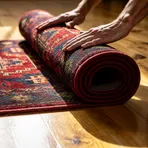
To spread out something like a carpet or map that was wrapped up
 12
4.2
12
4.2
Arrange things so they are spaced out in place or time
 11
4.5
11
4.5
To open something rolled or folded so it lies flat
 2
4.2
2
4.2
To continue for a long distance along a narrow area
 1
3.8
1
3.8
To become wider at one end like a dress or vase
 1
7.1
1
7.1
Move across a surface and cover it, like mist or color
 1
3.0
1
3.0
Divided into parts and given to people, usually equally


 1
4.2
1
4.2
To place things in a line along a path

To move outward in many directions to cover a wide area

To stretch across a large area

To cover a surface by scattering things like papers or flowers
Antonyms

How Wide

Surface Forms
Morphology
The meaning 'to turn something outward from the center line' is directly derivable from combining 'spread' (to distribute or extend across a surface) with the directional particle 'out' (away from the interior). This motion/extension pattern is a common, compositional phrasal-verb structure found across languages, so a B1 learner who knows both constituents will readily infer the meaning.
Etymology
Spread out comes from the image of opening something flat, like you spread a blanket or photos out so they lie across a table. That's why it means 'to arrange or unfold things so they cover a larger area'.