

snakeroot


 1
9.9
1
9.9
- noun
- /ˈsneɪkˌruːt/
- US
- The healer brewed a tea from snakeroot and wild herbs to treat fevers.
Examples
-
The snakeroot plant can be found in many forests.
-
Traditional herbalists often recommended snakeroot for treating snakebites and other ailments.
-
Clusters of pink-white snakeroot bloom in the woodland each spring.
-
Early settlers used snakeroot in herbal remedies, believing it could cure snakebites.
-
Some people believe that snakeroot has healing properties.
-
Black snakeroot is often found in wooded areas and is recognized by its distinctive compound leaves.
-
During our hike, we spotted several types of snakeroot growing near the stream.
Synonyms
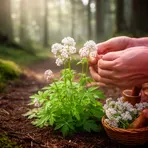
A small wild plant with divided leaves and groups of small flowers used in traditional medicine
Compounds
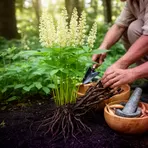
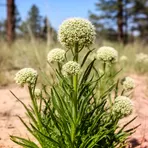
A coarse prickly plant from the United States that lives for many years and has round flower heads
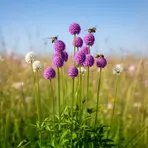
- Specialized
A North American wildflower with small round flower heads on tall spikes

A low sticky bush with narrow leaves, many thin branches, and many tiny yellow flowers

A plant from eastern North America with small white flowers and roots used as medicine

- Specialized
A plant from eastern North America with small white flowers and a root used as medicine
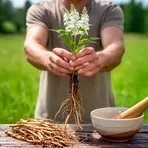
- Specialized
A North American plant with small white flowers whose roots people use as medicine
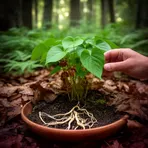
A woodland herb from North America with heart-shaped leaves and small brown flowers once used as medicine

A North American plant with small white flowers that can poison cows and people if eaten
Surface Forms
Morphology
Etymology
Snakeroot comes from the words snake and root, because people once believed plants like Sanicula could cure a 'snakebite', so they called them snakeroot. That's why the word now refers to plants once used in home remedies.