
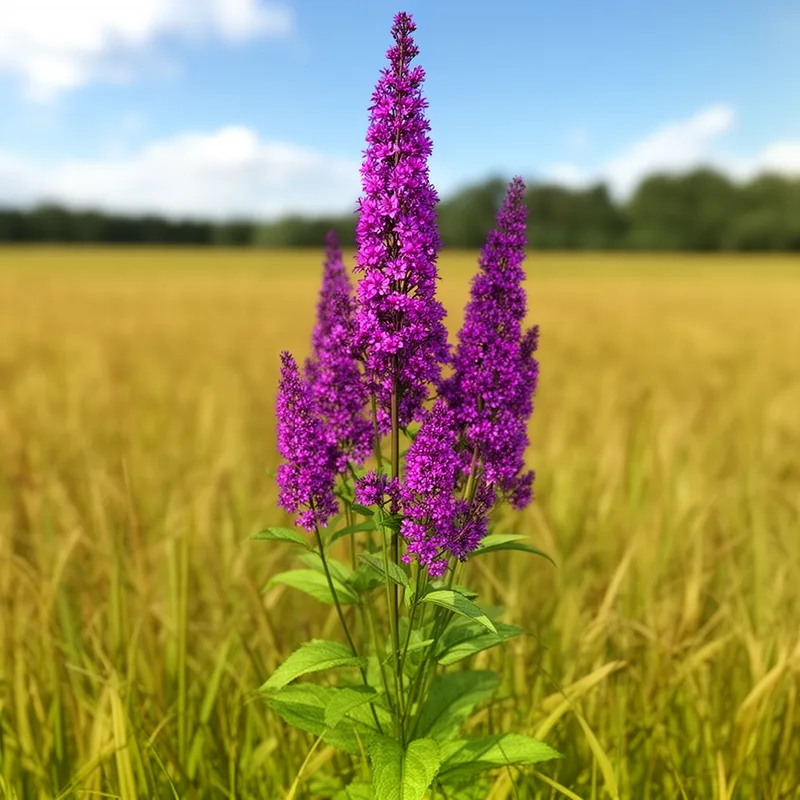
snakeroot


 1
9.9
1
9.9
- noun
- /ˈsneɪkˌruːt/
- US
- The snakeroot blooms beautifully in late summer.
- black snakeroot
- white snakeroot
Examples
-
Wildlife enthusiasts often photograph snakeroot for its unique flower heads in their natural habitat.
-
In the wild, snakeroot thrives in prairies and open woodlands.
-
Native Americans used the roots of snakeroot for medicinal purposes.
-
The tall purple spikes of snakeroot add color to summer gardens.
-
Many gardeners love to plant snakeroots in their flower beds.
-
In the garden, the bright purple flowers of snakeroot attract many bees and butterflies.
-
During our hike, we spotted several examples of snakeroot blooming among the tall grasses.
Synonyms
A North American wildflower with small round flower heads on tall spikes

A plant with tall spikes of small purple flowers that attract butterflies

A plant with tall stems and bright purple flowers
Compounds
A coarse prickly plant from the United States that lives for many years and has round flower heads
- Specialized
A North American wildflower with small round flower heads on tall spikes

A low sticky bush with narrow leaves, many thin branches, and many tiny yellow flowers

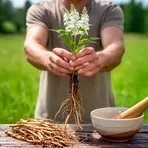
A plant from eastern North America with small white flowers and roots used as medicine

- Specialized
A plant from eastern North America with small white flowers and a root used as medicine
- Specialized
A North American plant with small white flowers whose roots people use as medicine
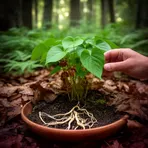
A woodland herb from North America with heart-shaped leaves and small brown flowers once used as medicine

A North American plant with small white flowers that can poison cows and people if eaten
Surface Forms
Morphology
Etymology
Snakeroot is a simple English name made of snake and root, and it was used for several North American plants, including the tall purple Liatris, because people used their roots in traditional medicine or found them where snakes lived. That's why the name refers to these prairie and woodland plants.