
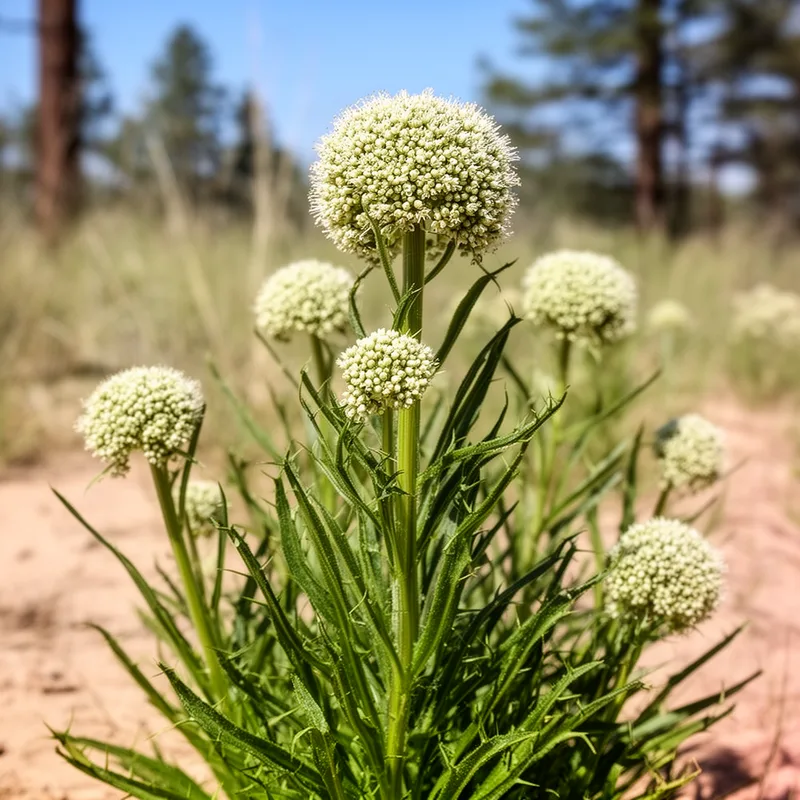
button snakeroot
- noun
- US
- The roots of the button snakeroot have been used in traditional remedies for generations.
Examples
-
The button snakeroot is known for its prickly leaves.
-
Many gardeners appreciate the unique look of button snakeroot in native plant beds.
-
We found a dense patch of button snakeroot while hiking in the pine barrens.
-
Many herbalists recommend button snakeroot for its medicinal properties.
-
The roots of the button snakeroot have been used in traditional remedies for generations.
-
Many herbalists recommend button snakeroot for its medicinal properties.
-
Many gardeners appreciate the unique look of button snakeroot in native plant beds.
Synonyms
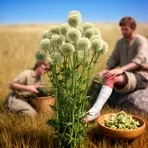
A tall, prickly plant with round flowers that people once used to treat snakebites

A tall prickly plant with spiky leaves and round flower heads once thought to cure rattlesnake bites

A tall, prickly prairie plant once used in folk medicine for snake bites
Surface Forms
Morphology
This is a straightforward noun–noun compound where 'button' describes the small, rounded (button-like) flower heads of the 'snakeroot' plant, so the overall meaning — a snakeroot with button-shaped heads — is directly inferable from the parts. The compositional pattern (shape/quality + plant name) is common in English, so a learner who knows both constituents would readily understand the phrase.
Etymology
Button snakeroot gets its name from two images: the plant's tough root was used in old remedies people believed would cure 'snakebite', and parts of the plant look like small round buttons, so it was called snakeroot. That's why the name reminds us of both its button-like look and its old use as a remedy.

