

rattlesnake master
- noun
- /ˈrætəlˌseɪk ˈmæstər/
- US
- The rattlesnake master grows in dry, sandy soils.
Examples
-
The prairie was dotted with tall, spiky rattlesnake master plants.
-
Many herbalists use rattlesnake master for its medicinal properties.
-
He collected rattlesnake master to display its unusual spherical flowers in his garden.
-
Native Americans once used rattlesnake master as a folk remedy for snakebites.
-
The rattlesnake master is often used in traditional medicine to treat rattlesnake bites.
-
Gardeners appreciate the rattlesnake master for its striking appearance and its resistance to drought.
-
In summer, the rattlesnake master blooms with round blue flowers that attract pollinators.
Synonyms

A tall, prickly prairie plant once used in folk medicine for snake bites

A tall prickly plant with spiky leaves and round flower heads once thought to cure rattlesnake bites
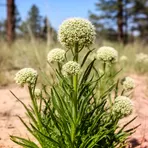
A coarse prickly plant from the United States that lives for many years and has round flower heads
Surface Forms
Morphology
The parts 'rattlesnake' and 'master' signal a relation to rattlesnakes, but the compound names a specific plant species historically believed to cure rattlesnake bites — a meaning not directly deducible from the literal constituents. A B1 learner might guess a connection to rattlesnakes (or even think of a person who is a 'master' of rattlesnakes) but would not reliably infer that it denotes a coarse perennial plant or a remedy, so the relation is only partially transparent.
Etymology
Rattlesnake master gets its name from a folk belief that the plant could 'cure' rattlesnake bites. People called it a rattlesnake master because they saw it as a 'master' that could help against snakebites.

