

to sluice
 1
7.4
1
7.4

- verb
- /sluːs/
- Specialized
- From the bottom of the river, his father began to lift bucket after bucket of ugly purplish mussels, sluice them clean of muck, and dump them into the boat.
- sluiced water
Examples
-
Rain sluices mud from his upturned face.
Fiction book (1994) -
The young woman came to her with warm water and rags and began to sluice the blood from the wounds so the fragments of wood could be more clearly seen.
Fiction book (1992) -
She picked up the old enamel saucepan they used for sluicing Maude and scooped it full of bath water.
Fiction book (1999) -
The mills were built to drain the excess water from the Alblasserwaard polders—which are situated below sea level—after which the water was sluiced into the river Lek.
Academic text (2006) -
After the heavy rain, water sluiced down the streets, carrying debris with it.
-
The workers sluiced the muddy equipment with a powerful hose to clean it.
-
They sluiced the rocks with water to separate the gold from the dirt.
Synonyms
 258
2.3
258
2.3
To carry away soil or rock by moving water
 198
1.0
198
1.0
To let liquid flow away from something
 168
2.7
168
2.7
To clean something by running water through it
 69
4.1
69
4.1
To move something through a narrow opening or channel into one place
 43
6.0
43
6.0
To move liquid from one container to another using a tube and gravity
 22
2.9
22
2.9
Make liquid flow out of a container
 16
2.9
16
2.9
Move or pour out in a steady stream, often a liquid
 4
3.3
4
3.3
To move along with a strong flow of water


 1
7.6
1
7.6
Flow quickly and strongly down a surface like water after heavy rain
 1
5.7
1
5.7
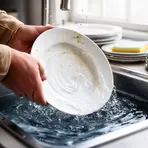
To move water around to clean or rinse something

A liquid that moves quickly in large amounts, like heavy rain
Antonyms

Phrasal Verbs
Compounds

- Specialized
1
6.5
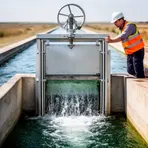
A gate that opens to let water flow and closes to stop it in a river or canal
How Forceful

Surface Forms
Etymology
To sluice (verb) comes from the same idea of opening a sliding gate to let water run, so to sluice something is to 'wash' or move it by using a flow of water through a gate.