
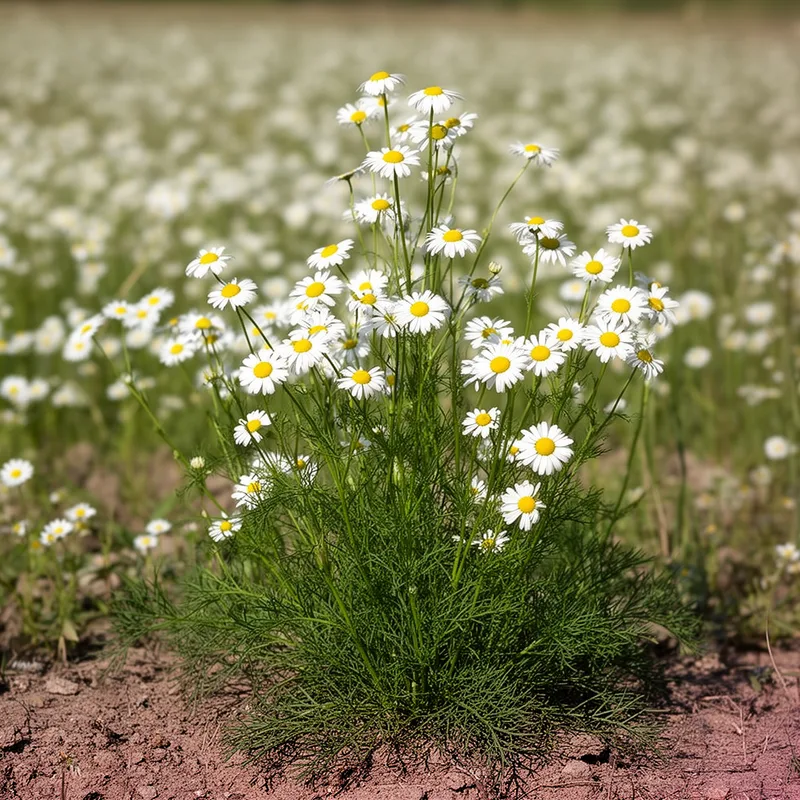
scentless false camomile
- noun
- UK
- The field was overrun with scentless false camomile after a few rainy weeks.
Examples
-
Gardeners sometimes mistake scentless false camomile for true chamomile due to its similar appearance.
-
Invasive species like scentless false camomile can disrupt local ecosystems if not controlled.
-
The scentless false camomile blooms beautifully in the summer.
-
Many gardeners appreciate the scentless false camomile for its resilience.
-
Gardeners sometimes mistake scentless false camomile for true chamomile due to its similar appearance.
-
The field was overrun with scentless false camomile after a few rainy weeks.
-
Invasive species like scentless false camomile can disrupt local ecosystems if not controlled.
Synonyms

An annual plant with divided leaves and white flowers often seen as a weed in Europe and North America

A common annual weed with white daisy-like flowers and no smell

A small plant with white daisy-like flowers that has little or no smell

A common wild plant with small white flowers that grows like a weed
A common wild plant with small white daisy-like flowers, thin divided leaves, and little smell that grows in fields
How Scented


Surface Forms
Morphology
The noun phrase is compositionally built: 'scentless' (no scent) + 'false' (not a true or merely resembling) + 'camomile' (the plant), so the overall meaning — a camomile-like plant that lacks scent and is not true chamomile — is directly inferable from the parts. While 'false' has a technical botanical flavor, the modifier + modifier + noun pattern is transparent and cross-linguistically common, so a B1 learner who knows the constituents can understand it.
Etymology
Scentless false camomile gets its name from a simple picture: it looks like camomile with small white, daisy-like flowers but is 'scentless' because it has little or no smell and 'false' because it is not the real 'true camomile'.