

scentless camomile
- noun
- /ˈsɛntləs ˈkæməˌmaɪl/
- UK
- Farmers often regard scentless camomile as a troublesome weed in their crops.
Examples
-
She planted scentless camomile in her garden for its attractive flowers.
-
The field was dotted with scentless camomile among the other wildflowers.
-
The garden was filled with scentless camomile this summer.
-
Have you seen any scentless camomiles around here?
-
Farmers often regard scentless camomile as a troublesome weed in their crops.
-
The field was dotted with scentless camomile among the other wildflowers.
-
She planted scentless camomile in her garden for its attractive flowers.
Synonyms

A common annual weed with white daisy-like flowers and no smell

An annual plant with divided leaves and white flowers often seen as a weed in Europe and North America
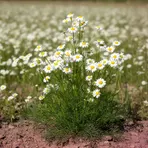
A common weed with white flowers and thin, divided leaves that looks like chamomile

A common wild plant with small white flowers that grows like a weed
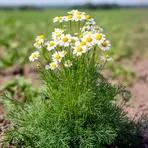
A common wild plant with small white daisy-like flowers, thin divided leaves, and little smell that grows in fields
How Scented


Surface Forms
Morphology
The phrase is a straightforward adjective + noun composition: 'scentless' (not producing a scent) modifies 'camomile' (the plant), so the meaning 'a camomile that lacks scent' is directly derivable from its parts. This descriptive, compositional pattern is common across languages and follows normal English noun phrase formation, so a B1 learner who knows both words will understand it.
Etymology
Scentless camomile gets its name from a simple image: a camomile-like flower that is scentless, so it has 'no smell'. So the name means a camomile plant that lacks scent and is often found as a 'weed'.