

repellence
- noun
- /rɪˈpɛləns/
- The repellence of insects from the treated surface ensures a more comfortable outdoor experience.
- water repellence
Examples
-
Increased surface water repellence is another wheat-belt problem, and it contributes to accelerated soil erosion.
Academic text (1990) -
The immediate cause of water repellence is an organic film around individual sand grains in the soil and the subterranean clovers used in the pasture phase of the wheat/sheep field-use rotation commonly used by area farmers.
Academic text (1990) -
Many fabrics have a special repellence that keeps water from soaking in during rainy weather.
-
The repellence of certain chemicals helps to keep pests away from crops, promoting better growth.
Synonyms

 1
8.7
1
8.7

A state of not allowing water, light, or ideas to pass through


 1
8.6
1
8.6
A tendency to push water away rather than soak it in

The quality of keeping water or insects away from something
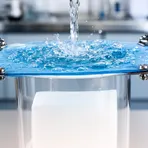
The quality of not letting water pass through something
Antonyms


How Resistant

Surface Forms
Morphology
Etymology
Repellence comes from Latin parts re- 'back' and pellere 'to drive', like the verb repel which means 'push away'. So repellence is the quality of keeping things out or stopping insects or liquids from getting in.