

repellence
- noun
- /rɪˈpɛləns/
- Specialized
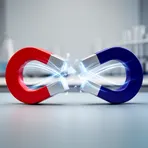
- The repellence between the two magnets made it impossible to push them together.
Examples
-
Scientists studied the repellence of charged particles in the laboratory experiment.
-
Increasing the voltage increased the repellence observed between the objects.
-
The repellence between the two magnets was strong.
-
What causes the repellence in this experiment?
-
The repellence between the two magnets made it impossible to push them together.
-
Scientists studied the repellence of charged particles in the laboratory experiment.
-
Increasing the voltage increased the repellence observed between the objects.
Synonyms

 3
5.3
3
5.3

A quality that makes people or things stay away
 3
6.4
3
6.4
A force that pushes objects away from each other
 1
6.7
1
6.7
A push that makes things move away from each other
 1
5.3
1
5.3
The quality that makes people or animals go away

The quality of keeping water or insects away from something
Antonyms


How Repulsive
- Specialized
3
6.4

- Specialized
Surface Forms
Morphology
Etymology
Repellence comes from Latin parts re- 'back' and pellere 'to drive', and it shares the same root as propel (to push forward). So in physics, repellence is the power to 'push back' or make objects move away from each other.