
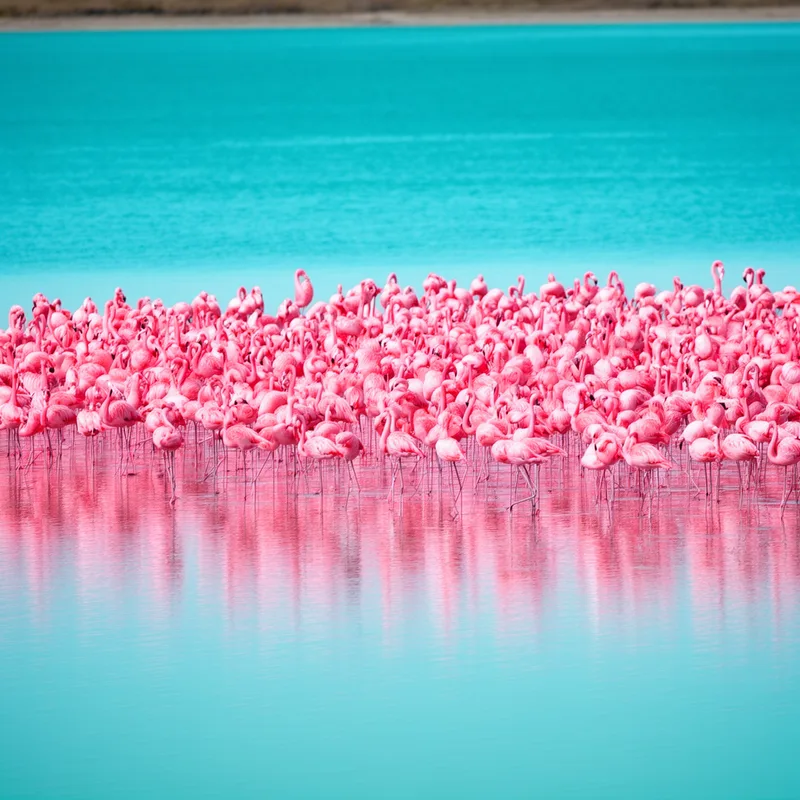
population
 218
2.7
218
2.7

- noun
- /ˌpɑːpjuˈleɪʃən/
- Specialized
- Never, on the material side, have huge populations been better protected from hunger and sickness.
- population size
- population density
- population decline
Loading YouTube…
Watch on YouTubeBut like, shark populations are hammered globally, right?
- But like, shark populations are hammered globally, right?
- They cut down the trees and the grass grew and the stag population exploded, a deer stag.
- The rays decimated the mollusk population and destroyed the mussel and scallop industry.
- How does this relate to what's going on in natural populations with wild snapdragons?
- Basically, you know, you reduce the populations, they become more and more unstable.
Examples
-
Furthermore, the status of penguin populations reflects the state of the oceans they inhabit.
Academic text (2008) -
He is hiding among a population of roughly 2 million.
-
As food from humans is critical to this population, you can help change all this.
-
Surveillance of the wild bird population is one thing that can be done.
Academic text (2008) -
Alleviating the poverty and improving the food security of these populations may reduce their TB burden.
Academic text (2011) -
Prior to invasion and conquest, colonization, lands in North America were occupied by populations of people that had a profoundly different relationship with the land.
-
The rays decimated the mollusk population and destroyed the mussel and scallop industry.
-
The blue whale population in the ocean has been steadily increasing over the past decade.
-
Conservation efforts have helped the local deer population thrive in the forest.
-
Researchers are monitoring the rabbit population to understand its growth patterns.
Antonyms

Compounds




- Formal
A United Nations group that gives advice about population size and growth worldwide


- Specialized
Controlling how many and which possible answers a computer program keeps during a search
How Interdependent
- Specialized
2
6.9

- Specialized
98
3.4
- Specialized

 1
5.5
1
5.5
- Specialized
218
2.7
∞
2.3
Surface Forms
Morphology
Etymology
Population comes from the old Latin root popul- meaning 'people', and over time it was used for any group of living things. So a population of frogs or fish is the group of those animals living in one area.