

palsy
 30
8.4
30
8.4

- noun
- /ˈpɔlzi/
- Specialized
 :
parálisis
:
parálisis
- As you know, I have a son, Gunner, who was born with cerebral palsy.
- cerebral palsy
- facial palsy
- Bell palsy
He had a wife, children and a grandmother afflicted by palsy.
- He had a wife, children and a grandmother afflicted by palsy.
- I had Bell's palsy, which can come because of stress.
- But I, I think it's like, you know, I didn't do anything to deserve not being born with cerebral palsy.
- You know who had Bell's palsy was good old Jr.
- My face meant went numb with Bells Palsy at one point.
- Steps started because of my vicar's grandson was born with cerebral palsy and his parents were told he wouldn't even be able to turn over in bed.
Examples
-
After a diagnosis of Bell palsy was reached, he was referred to us for treatment.
Academic text (2002) -
Between 1966 and 1994, we treated 247 patients with facial nerve palsy following closed head injury.
Academic text (1998) -
I had Bell's palsy, which can come because of stress.
-
I have been diagnosed with Bell's Palsy brought on by stress.
-
My cerebral palsy happened during birth.
-
After 24 hours, he developed pseudobulbar palsy and found it increasingly difficult to talk and swallow.
Academic text (1995) -
Look at him, his pallid complexion, the palsy in his left hand.
-
They thought the Old Man had palsy or epilepsy or something like that.
-
A neuro-ophthalmology examination revealed a pupil-involving left third-nerve palsy secondary to the pneumocephalus.
Academic text (2008) -
After suffering from Bell's palsy, she struggled to smile for months.
Synonyms
 81
5.4
81
5.4
Loss of movement and feeling in all or part of the body
 19
3.1
19
3.1
A long-term brain illness that causes shaking, stiff muscles, and slow movement
 14
4.2
14
4.2
A long-term condition that limits movement and body position due to brain damage before or soon after birth
 2
7.5
2
7.5
Loss of movement and feeling in the lower half of the body after a spinal cord injury
 1
9.9
1
9.9
Weakness that makes a body part hard to move
 1
8.3
1
8.3
Loss of movement and feeling in both arms and legs after spinal cord injury
 1
6.9
1
6.9
Loss of muscle strength because damaged nerves cannot make muscles work, making muscles soft and limp
 1
9.1
1
9.1
Weakness on one side of the body, usually after a stroke or brain injury
 1
7.7
1
7.7
A brain problem that causes shaking, stiff muscles, and slow movement


 1
4.8
1
4.8
Sudden temporary weakness on one side of the face causing drooping and difficulty closing an eye

Loss of movement and feeling in part or all of the body
Loss of movement on one side of the body, often after a stroke
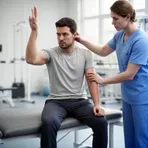
Loss of movement in one arm or one leg
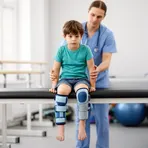
Loss of movement in the same parts on both sides of the body, usually the legs
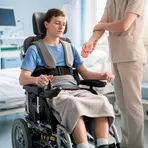
A condition in which both arms, both legs, and the upper body cannot move
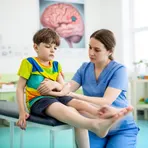
Weak muscles and stiffness with sudden muscle jerks caused by brain damage at birth
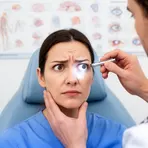
Loss of movement in the muscles that control the eyes, often from nerve damage
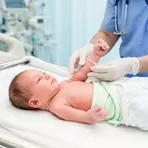
Weakness and loss of feeling in an arm caused by nerve injury during birth
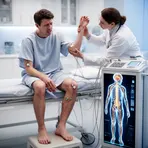
A rare nerve disease that causes pain, muscle weakness, and sometimes paralysis in the arms and legs
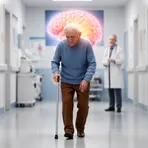
A long-term brain disease that causes shaking, stiff muscles and slow movement

A long-term brain illness that causes shaking and stiff muscles
A brain disease that gets worse and causes tremors, stiffness, and slow movement

A brain disease that causes shaking, stiff muscles, and slow movement
Antonyms


Compounds
- Specialized
14
4.2
A long-term condition that limits movement and body position due to brain damage before or soon after birth
- Specialized
1
4.8
Sudden temporary weakness on one side of the face causing drooping and difficulty closing an eye
- Specialized
Weakness and loss of feeling in an arm caused by nerve injury during birth
How Paralysed

Surface Forms
Etymology
Palsy comes from the same root as paralysis and the Greek part lysis, which means 'to loosen'. So imagine muscles 'loosening' and stopping their work, which is why palsy means a loss of muscle control.