

paralyzation
- noun
- /ˌpærəlaɪˈzeɪʃən/
- US
- Doctors worked quickly to prevent permanent paralyzation after the accident.
Examples
-
The sudden paralyzation of his legs left him unable to walk.
-
The venom caused temporary paralyzation in the victim's arm.
-
The paralyzation of her legs was sudden and unexpected.
-
After the accident, he experienced paralyzation on one side of his body.
-
The sudden paralyzation of his legs left him unable to walk.
-
The venom caused temporary paralyzation in the victim's arm.
-
After the accident, he experienced paralyzation on one side of his body.
Synonyms

 81
5.4
81
5.4

Loss of movement and feeling in all or part of the body
 30
8.4
30
8.4
A condition that makes part of the body weak or unable to move
 4
6.3
4
6.3
A state of no movement or not being able to move
 1
9.9
1
9.9
Weakness that makes a body part hard to move
 1
6.9
1
6.9
To stop a person or thing from moving
 1
7.3
1
7.3
Making someone unable to move or think clearly, often for a short time with medicine
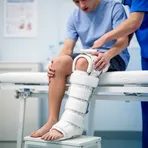
The state of being unable to move part of the body because of injury or being held still
Antonyms

How Paralysed

Surface Forms
Morphology
Etymology
Paralyzation comes from Greek parts para- and -lysis, with -lysis meaning 'loosening' used for muscles that stopped working. So paralyzation now means the loss of movement or feeling in part or all of the body.