

nervous
 ∞
1.3
∞
1.3

- adjective
- /ˈnɜrvəs/
 :
nervioso
:
nervioso
- I get really nervous when I get up on stage.
- get nervous
- make someone nervous
- a nervous breakdown
I got a little nervous but that's OK.
- I got a little nervous but that's OK.
- Think you get kind of nervous about things.
- Mel, I know you're nervous, but you got this.
- Everyone was so nervous and I got the part.
- But it, you know, it makes you nervous to trust folks.
- I am on set with like a nervous meerkat like you.
- That may cause you to be more nervous, right, Make you unsettled.
- Yeah, even After all, I was nervous for sure with Mariah Carey.
- So if you are nervous, hold on to it.
Examples
-
But I was a little nervous, but they were great.
-
Everyone was so nervous and I got the part.
-
So if you are nervous, hold on to it.
-
Are you nervous about that?
-
Are you nervous right now, or do you get nervous in class sometimes?
Academic text (2013) -
I could never do that; it makes me nervous to take pictures of people.
Fiction book (1990) -
Some were a little nervous about the storm.
-
I still remember how nervous I was, but we worked it out very professionally.
Academic text (2013) -
Even in a large ensemble situation, our students do get nervous in performance.
Academic text (2013) -
I get really nervous when I get up on stage.
Synonyms
 ∞
1.0
∞
1.0
Feeling fear or worry about something
 ∞
1.0
∞
1.0
Feeling afraid because you think something bad might happen
 ∞
1.0
∞
1.0
Feeling nervous or upset about something that may go wrong
 310
3.6
310
3.6
Feeling nervous and unable to relax
 201
2.7
201
2.7
Feeling worried or nervous about something that might happen
 143
1.3
143
1.3
Feeling afraid or nervous and easily frightened
 98
3.2
98
3.2
You feel worried and not relaxed
 77
5.0
77
5.0
Nervous and tense so you cannot relax
 54
4.3
54
4.3
Feeling nervous and easily startled by sudden sounds
 49
4.1
49
4.1
Feeling nervous, upset, and not calm
 41
5.2
41
5.2
Feeling nervous and tense, easily upset
 26
4.5
26
4.5
Feeling nervous and unable to stay still
 25
7.0
25
7.0
Easily frightened or nervous and likely to move suddenly
 14
4.1
14
4.1
Being nervous and confused because of an unexpected problem or pressure
 9
4.6
9
4.6
Feeling nervous and unable to stay still
 8
4.8
8
4.8
Unable to stay still because you feel nervous
 3
7.9
3
7.9
Feeling excited and a little nervous
 3
1.0
3
1.0
Being afraid because something seems dangerous
 2
4.9
2
4.9
Feeling nervous and excited with a quick, shaky feeling in the body
 1
7.0
1
7.0
Feeling nervous and confused after a sudden, unexpected event
 1
8.6
1
8.6
Feeling nervous and lacking confidence in new situations
Antonyms


Compounds

- Specialized
81
2.8
A network of nerves that sends messages between the brain and body to control movement and feeling

- Informal
52
5.3
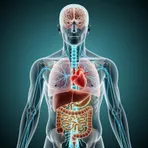
A time when someone is so stressed or upset they cannot live normally and need medical help

- Specialized
2
4.2
The part of the body that controls heart rate, breathing and digestion without thinking

- Specialized
1
4.1
A health problem that affects the brain and nerves and causes symptoms like pain or numbness

- Specialized
1
4.2
Tissue made of cells that send signals through the body to control movement and feeling

- Specialized
1
4.2
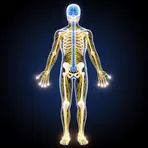
The nerves outside the brain and spinal cord that send messages between the brain and other body parts

- Specialized
1
4.9
Part of the body that prepares you for action by raising heart rate and sending blood to muscles



- Specialized
 1
5.8
1
5.8
An electrical message that travels along a nerve to carry information



- Archaic
Extreme mental and physical tiredness from stress that stops you from doing normal daily activities

- Specialized
The part of the nervous system that calms the body, slows the heart, and helps digestion
How Nervous

Surface Forms
Morphology
Etymology
Nervous comes from Latin nervus 'sinew, nerve', the same root as the English word nerve, and because tense nerves feel like tight strings, nervous now means 'easily worried or jumpy'.