

monoicous
- adjective
- /məˈnɔɪkəs/
- Specialized
- Some liverworts are monoicous and can produce both types of gametes on the same plant.
Examples
-
Is this species monoicous or dioecious?
-
When studying mosses, distinguishing between monoicous and dioicous forms is important for understanding their reproduction.
-
The monoicous nature of the species facilitates self-fertilization in isolated habitats.
-
The monoicous plant can produce both pollen and seeds.
-
Some liverworts are monoicous and can produce both types of gametes on the same plant.
-
The monoicous nature of the species facilitates self-fertilization in isolated habitats.
-
When studying mosses, distinguishing between monoicous and dioicous forms is important for understanding their reproduction.
Synonyms
 1
8.4
1
8.4

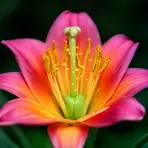
Having both male and female sex organs
 1
9.5
1
9.5
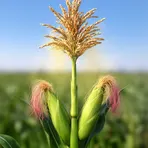
An animal or plant that has both male and female sex organs

 1
9.9
1
9.9
A plant or animal that has both male and female reproductive parts on the same body
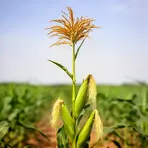
Having both male and female parts in the same plant

Having both male and female reproductive parts in the same body, as in some flowers or animals

Having male and female parts in separate groups on the same plant

Having male, female, and bisexual flowers on the same plant
Surface Forms
Morphology
monoicous = mono + oic + ous
The prefix mono- clearly contributes the idea of 'one', but the remaining stem is a specialized learned form, so the full botanical meaning is only partly guessable.
Etymology
The word monoicous comes from Greek parts mono- meaning 'one' and oikos meaning 'house', so it gives the image of male and female parts living in 'one house'. So a monoicous plant has both male and female parts on the same individual, which can allow self-fertilization.