
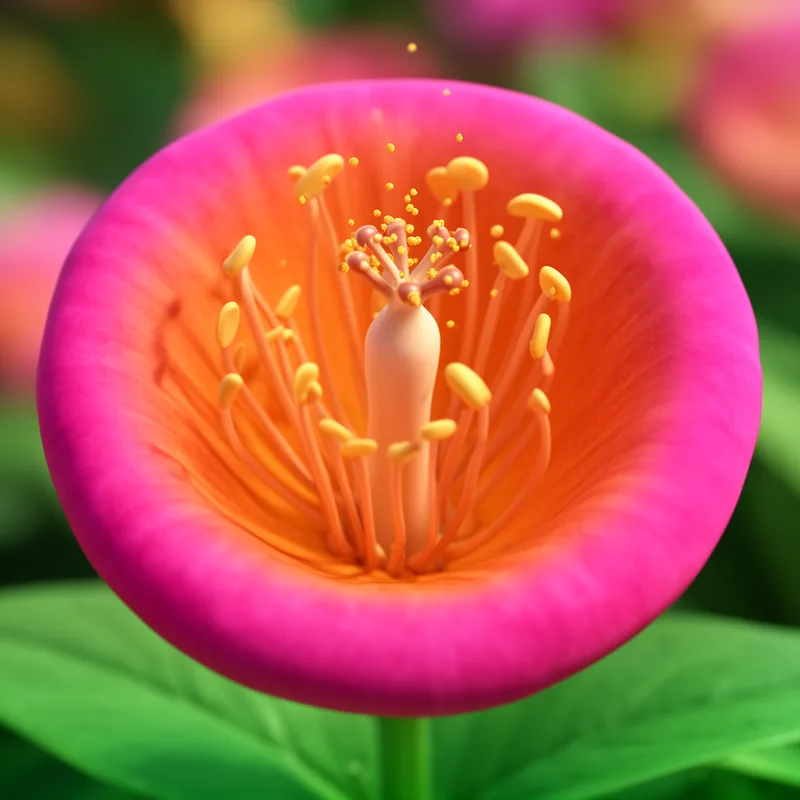
ambisexual
- adjective
- /ˌæm.bɪˈsɛk.ʃu.əl/
- Specialized
- The ambisexual flower can produce both pollen and ovules.
Examples
-
The ambisexual nature of the flower allows it to self-pollinate if cross-pollination does not occur.
-
Scientists studied the ambisexual characteristics of certain snails in the laboratory.
-
Some species of fish are ambisexual and can change sex during their lifetime.
-
Some species of plants are ambisexual by nature.
-
Some species of fish are ambisexual and can change sex during their lifetime.
-
The ambisexual nature of the flower allows it to self-pollinate if cross-pollination does not occur.
-
The ambisexual flower can produce both pollen and ovules.
Synonyms

 1
9.5
1
9.5

An animal or plant that has both male and female sex organs

 1
9.9
1
9.9
A plant or animal that has both male and female reproductive parts on the same body
 1
9.9
1
9.9
An animal that has male body parts on one side and female body parts on the other

Having both male and female sex parts on the same plant
Having both male and female parts in the same plant

A flower that has both male and female parts in the same bloom

Having male and female parts in separate groups on the same plant

An animal with both male and female body parts or colours
Surface Forms
Morphology
Etymology
Ambisexual also comes from the parts ambi- meaning 'both' and sex meaning 'male and female', so in biology it describes a plant or animal that has both male and female parts.