
monoclinous
- adjective
- /ˌmɒnəˈklaɪnəs/
- Specialized
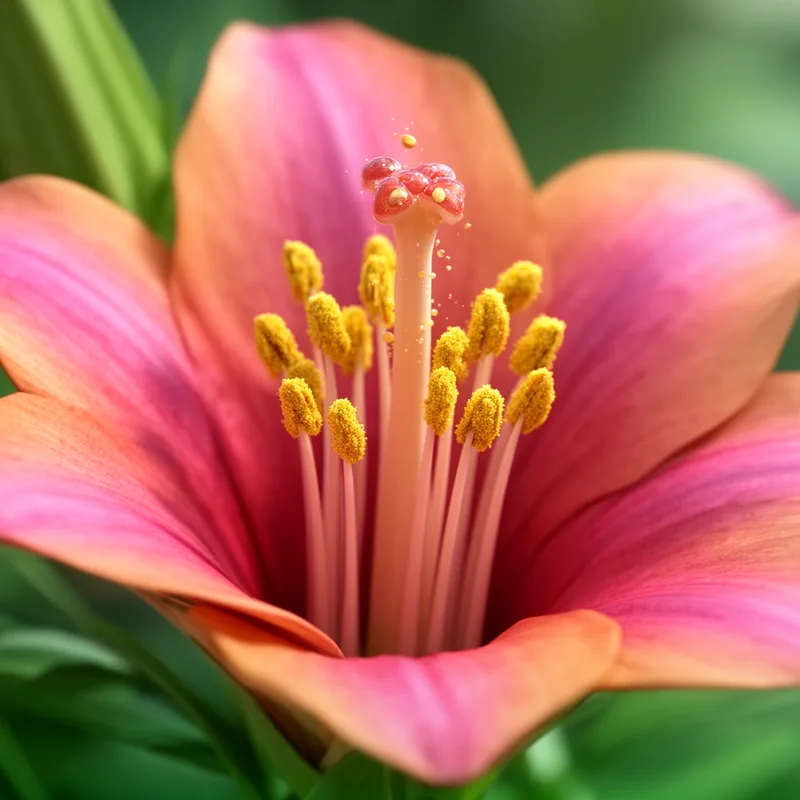
- A monoclinous bloom contains both stamens and pistils within a single floral structure.
Examples
-
Unlike unisexual species, monoclinous plants can often self-pollinate.
-
Many herbaceous plants bear monoclinous flowers to ensure effective pollination.
-
The monoclinous flower can self-pollinate.
-
Many plants are monoclinous, allowing for efficient reproduction.
-
A monoclinous bloom contains both stamens and pistils within a single floral structure.
-
Many herbaceous plants bear monoclinous flowers to ensure effective pollination.
-
Unlike unisexual species, monoclinous plants can often self-pollinate.
Synonyms

Having both male and female reproductive parts in the same body, as in some flowers or animals
Antonyms
Surface Forms
Morphology
monoclinous = mono + clin + ous
Although the word contains the recognizable prefix mono- and the adjective suffix -ous, the remaining classical stem clin- is not a transparent English base, so the botanical meaning is not guessable for most learners.
Etymology
Monoclinous comes from Greek parts mono- 'one' (seen in words like monarch and monorail) and klínē 'bed', so you can picture both sexes sharing 'one bed' in the same flower. So a monoclinous bloom has both stamens and pistils together in a single flower.

