
hermaphroditic
 1
9.5
1
9.5

- adjective
- /hɜrˈmæfrəˌdɪtɪk/
- Specialized
- Two (0.2%) Pacific hagfish were obviously hermaphroditic, while none of the 897 black hagfish sampled appeared to be a hermaphrodite.
Loading YouTube…
Watch on YouTubeA kind of hypothetical perfect being, hermaphroditic figure that.
- A kind of hypothetical perfect being, hermaphroditic figure that.
Examples
-
Moreover, with their legendary lack of range and their hermaphroditic nature, small founding populations of snails (right down to the absolute minimum of one) can readily become the source of isolated colonies and, eventually, new species.
Academic text (1991) -
- I was born with an hermaphroditic condition.
-
Giant larvaceans are hermaphroditic; male and female gametes are released when the trunk ruptures.
Academic text (2004) -
Gametophytes that germinate early and develop first become hermaphroditic, whereas later-developing gametophytes become male.
Academic text (1998) -
The snail has been chosen as a fitting symbol for questioning and reinterpreting our social definitions of feminine and masculine, for many snail species are hermaphroditic.
Fiction book (1991) -
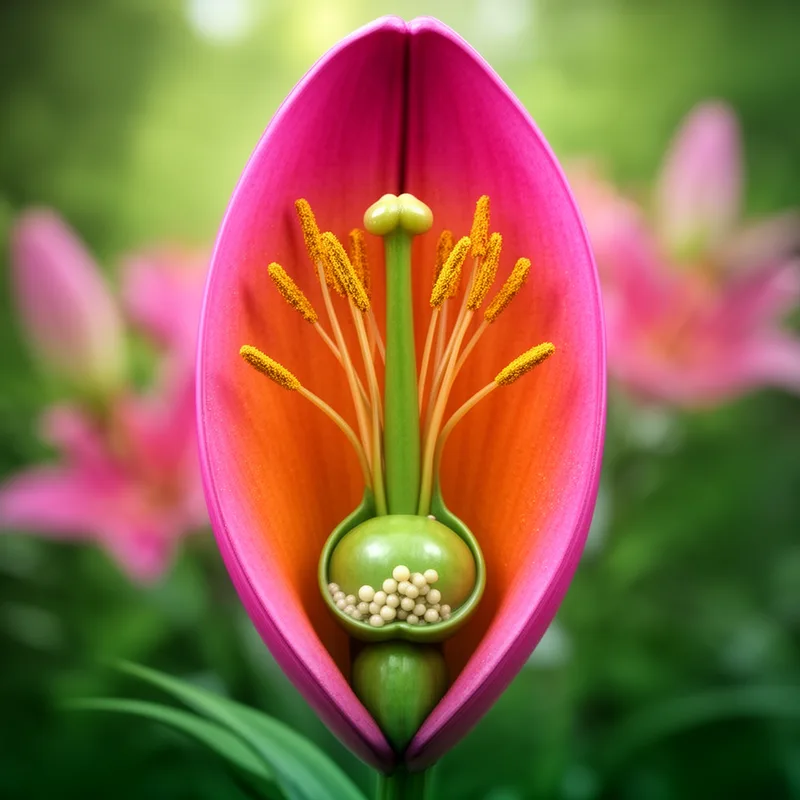
Many plants, such as tomatoes, are hermaphroditic, having flowers with both male and female reproductive organs.
-
Some species of fish are known to be hermaphroditic, allowing them to switch genders depending on environmental conditions.
-
The hermaphroditic nature of earthworms enables them to fertilize each other's eggs during reproduction.
Synonyms
 1
8.4
1
8.4
Having both male and female sex organs

 1
9.9
1
9.9
A plant or animal that has both male and female reproductive parts on the same body
 1
8.4
1
8.4
Having both male and female sex parts on one body

Having both male and female sex parts on the same plant

Having both male and female reproductive parts in the same body, as in some flowers or animals
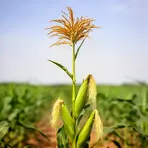
Having both male and female parts in the same plant

A flower that has both male and female parts in the same bloom
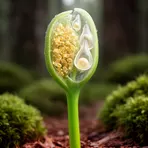
A moss that has both sperm and eggs in the same structure
How Many Sexes

Surface Forms
Morphology
hermaphroditic = hermaphrodite (transparent) = hermaphrodite + ic
Formed from the noun 'hermaphrodite' with the adjective-forming suffix '-ic', so the meaning is directly related to having both sexes' reproductive organs.
Etymology
Hermaphroditic comes from the Greek name Hermaphroditos, a child of Hermes and Aphrodite who was said to be both male and female. That's why a hermaphroditic animal or plant has both 'male' and 'female' reproductive parts.