
hermaphrodite
 1
8.4
1
8.4

- adjective
- /hɜrˈmæfrəˌdaɪt/
- Specialized
- The clownfish is an interesting example of a hermaphrodite species that can change its sex depending on its environment.
Examples
-
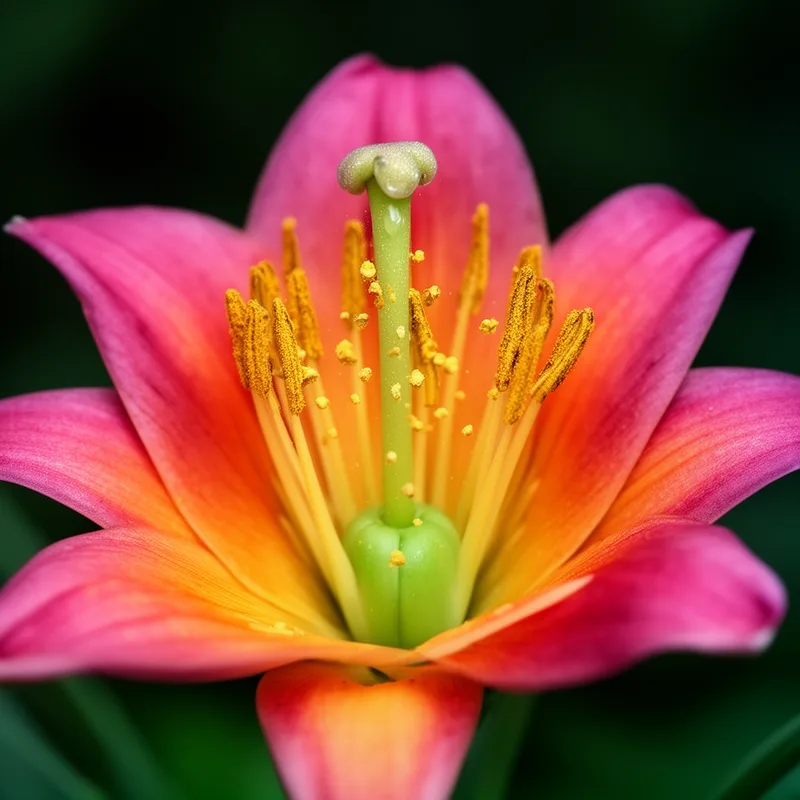
The first thirteen classes include hermaphrodite flowers (containing both male and female parts) and base divisions on the number of stamens (most flowers have one pistil, but several stamens of roughly equal length).
Academic text (1993) -
In certain plants, the flowers can be hermaphrodite, containing both pollen and ovules for reproduction.
-
The size of the male and hermaphrodite symbols on the right indicates the relative proportions of these sexual types.
Academic text (1998) -
Both male and hermaphrodite gametophytes reach initial sexual maturity at approximately 10 DFS.
Academic text (1998) -
Some species of snails are classified as hermaphrodite, meaning they possess both male and female reproductive organs.
Synonyms
 1
9.5
1
9.5
An animal or plant that has both male and female sex organs

 1
9.9
1
9.9
A plant or animal that has both male and female reproductive parts on the same body

Having both male and female sex parts on the same plant
Having both male and female parts in the same plant

Having both male and female reproductive parts in the same body, as in some flowers or animals

A plant that has different kinds of parts that make sex cells
Compounds

- Archaic
A two-masted sailing ship with square sails on the front mast and long sails along the main mast
Surface Forms
Etymology
The word hermaphrodite comes from joining the names of the Greek gods Hermes and Aphrodite, a male and a female. Because it mixes those two names, it is used for animals or plants that have both 'male' and 'female' reproductive parts.