

lupine
- adjective
- /ˈluːpaɪn/
- Hexanols, werewolves, lycanthrops and loop, Garuda boot, every kind of lupine theriomorph you could think of.
Loading YouTube…
Watch on YouTubeHexanols, werewolves, lycanthrops and loop, Garuda boot, every kind of lupine theriomorph you could think of.
- Hexanols, werewolves, lycanthrops and loop, Garuda boot, every kind of lupine theriomorph you could think of.
Examples
-
Her lupine howl echoed through the forest, evoking the majesty of its wild ancestors.
-
The animal's lupine instincts made it a skilled hunter in the wild.
-
The documentary highlighted the lupine behavior of wolves in their natural habitat.
Compounds

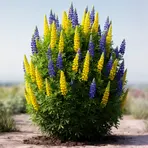
A plant that lives for many years with tall spikes of yellow pea-like flowers


- Specialized
A bushy wild plant from the western United States with yellow, pea-shaped flowers that look like lupines
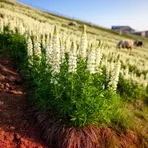
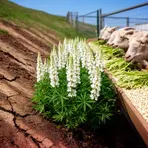
A plant with white flowers in the pea family that people grow for animal food and to stop soil erosion

- Specialized
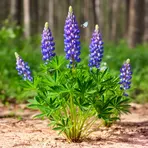
A strong, long-lived flowering plant with blue flowers that grows in eastern and central North America
- US
A plant that grows in eastern North America with leaves like a hand and groups of blue flowers

How Wolf-like


Surface Forms
Etymology
Lupine comes from the Latin lupus 'wolf', so it means 'wolf-like'. That's why we call eyes, behaviour, or features 'lupine' when they look or act like a wolf.