

to lobster
 1
5.6
1
5.6

- verb
- /ˈlɑːbstər/
- US
- While it was true that Mr. Bates spent his daylight hours by himself lobstering or tending traps, he was attentive as soon as he returned.
Examples
-
I'm going lobstering soon for a shoot, and I've been dreaming about being on that boat, soaking it in with all my senses.
Blog text (20) -
Mike wasn't interested in lobstering, but sometimes he thought about being an oceanographer.
Fiction book (1999) -
Lobstering in winter was hazardous.
Fiction book (1999) -
Dolly's brothers, a couple of little kids in first and second grade, one or two older boys already lobstering for a living.
Fiction book (1990) -
He was always lobstering. "Everyone here remembers him," Mike said.
Fiction book (1999) -
Lobstering methods!
Academic text (1990) -
Dad, eschewing all oils and lotions, was lobstered.
Fiction book (2001) -
Many fishermen go lobstering to provide fresh seafood to local restaurants.
-
During the summer, we often spend weekends lobstering off the coast with our friends.
-
He loves lobstering because it allows him to work outdoors in the beautiful ocean.
Synonyms
 119
1.0
119
1.0
To catch fish for sport or food
 4
5.3
4
5.3
To catch small sea animals with a long body for food, often from a boat
 2
7.5
2
7.5
To dig in sand to collect clams
 1
8.9
1
8.9
To fish for sea animals with ten arms often at night


 1
5.5
1
5.5
To catch sea animals with flat shells for food using nets or traps

To collect sea animals with rough shells from the sea or shore

To hunt for turtles as a job
Idioms

Compounds


 1
4.2
1
4.2
A large sea animal with a spiny shell and no big claws, often eaten in warm seas

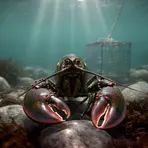
A large sea animal with big claws that lives on North America's Atlantic coast


Sea animal with a dark blue shell and big claws found off Europe's Atlantic coast that turns red when cooked
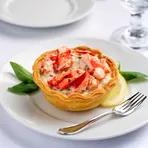


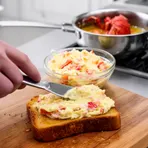
A type of butter that chefs mix with chopped lobster or lobster flavor to spread on food

A tropical plant from the Americas with poisonous white sap and bright red parts around small yellow flowers


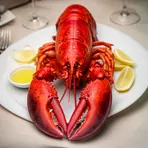
Surface Forms
Etymology
Lobster used as a verb meaning 'to catch lobsters' comes from the animal name, which itself comes from Latin locusta, meaning 'locust'. So to 'lobster' is simply to go after that 'sea locust' and catch it.