
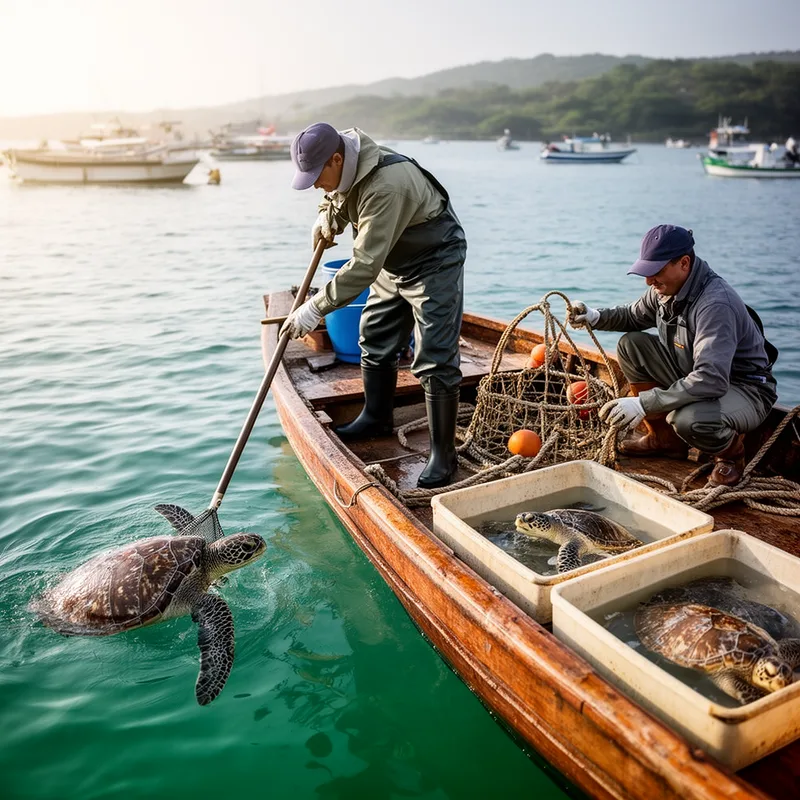
to turtle
- verb
- /ˈtɜːrtl/
- Archaic
- Turtling was undoubtedly one of the first commercial fisheries in the southeastern United States, not only because sea turtles were abundant, but also because of the relative ease of capture when laying eggs on deserted beaches.
Examples
-
During the summer, many fishermen would turtle along the coast to gather eggs for local markets.
-
The local community still practices turtling, respecting the traditions of their ancestors while ensuring sustainability.
-
-We'd dive every day... ...and get fish and lobster, and turtle in those days.
-
He decided to turtle for a few weeks this season to replenish his stocks of sea turtle meat.
Phrasal Verbs

Compounds


- US
 2
5.2
2
5.2
A North American land turtle with a high shell that can close tightly to protect itself






 1
7.9
1
7.9
A large freshwater turtle from the southeastern United States with three shell ridges and a powerful jaw
 1
5.0
1
5.0
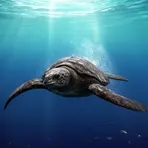
A very large sea turtle with a soft, leather-like shell that swims long distances

- Archaic
1
7.5
A soup made from the meat of green turtles, often served as a special food


- Specialized
A grey sea turtle that lives on the Atlantic and Gulf coasts of North America

A large freshwater turtle with a strong hooked jaw that bites when threatened



- Specialized
A sea turtle with a pointed, hawk-like beak and a beautiful patterned shell that is endangered

A freshwater turtle with red marks on its lower shell that lives in rivers near Chesapeake Bay

A turtle that lives in water with a flat flexible shell, thick skin, and a strong bite

A tropical sea turtle with a hooked beak and a beautiful patterned shell valued for decoration and food

A water turtle with a flat soft shell that lives in rivers and lakes and bites hard



- Specialized
A land turtle with a shell that closes living on prairies in the western United States and northern Mexico
Surface Forms
Etymology
Turtle as a verb comes from the animal name turtle, and it originally meant to hunt or catch these animals. So to turtle can mean 'to hunt turtles'.