

lobster
 157
1.0
157
1.0

- noun
- /ˈlɑːbstər/
- The tremendous decrease in lobster numbers near shore forced fishermen into deeper coastal waters.
- lobster size
- large lobsters
- small lobsters
Loading YouTube…
Watch on YouTubeSo we went from whole lobster to beautiful tail.
- So we went from whole lobster to beautiful tail.
- OK, did you know that lobsters, like, don't die of old age?
- Big crab, big lobster, a big shelled animal on your plate.
- No, like a lobster just bugging out like that.
- But just being treated the way we treat most fish and shrimp and squid and lobsters, they're just things.
- You know, I think lobsters, I'm quite sure that we have like more than one too.
Examples
-
So how do they kill the lobster before you cook it?
-
OK, did you know that lobsters, like, don't die of old age?
-
I mean, a lobster roll without lobster, Not a good idea.
-
So we went from whole lobster to beautiful tail.
-
Think they got fresh lobsters in today.
-
And I'll buy you the biggest lobster you've ever seen when we get together.
-
Plus, I got these two giant lobsters staring me in the face.
-
Annie, there's a big lobster behind the refrigerator.
-
I'm going for lobster!
-
For dinner, we enjoyed a delicious lobster that was grilled to perfection.
Synonyms
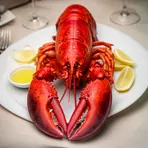
A large sea animal with two big claws that people eat
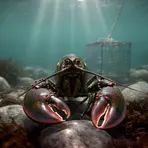
A large sea animal with big claws that lives on North America's Atlantic coast

A large edible lobster from the Atlantic coast of North America or its meat

Sea animal with a dark blue shell and big claws found off Europe's Atlantic coast that turns red when cooked

A small lobster often called scampi and eaten as seafood in Europe

A small lobster-like sea animal that people eat for its meat

A slender sea animal with claws found in European waters and eaten as food
Idioms

Compounds


 1
4.2
1
4.2
A large sea animal with a spiny shell and no big claws, often eaten in warm seas

A large sea animal with big claws that lives on North America's Atlantic coast

Sea animal with a dark blue shell and big claws found off Europe's Atlantic coast that turns red when cooked
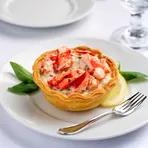


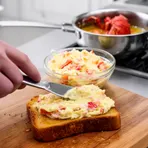
A type of butter that chefs mix with chopped lobster or lobster flavor to spread on food

A tropical plant from the Americas with poisonous white sap and bright red parts around small yellow flowers

How Big

Surface Forms
Etymology
Lobster comes from the old Latin word locusta, meaning 'locust', a word once used for both insects and shellfish because they have hard shells and many legs. So think of a lobster as a 'sea locust', an easy image for a large sea animal with big claws.