
to lime
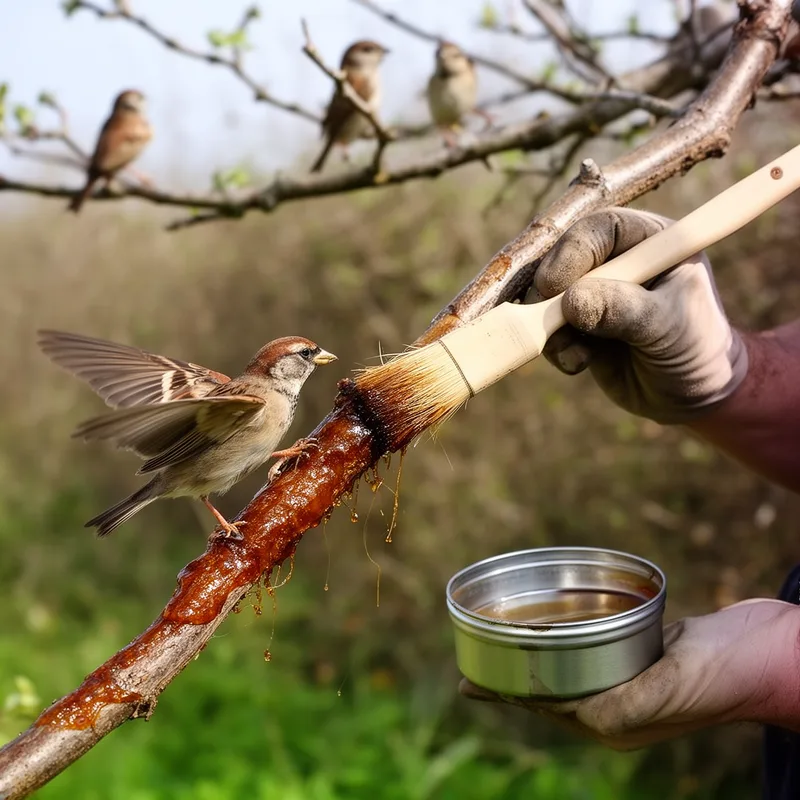
- verb
- /laɪm/
- Archaic
- It was once common practice to lime the hedgerows in rural villages.
Examples
-
They decided to lime the trees in the orchard.
-
Hunters used to lime the branches of trees to trap unsuspecting songbirds.
-
Conservation groups condemn the act of liming as cruel and unnecessary.
-
The farmer limed the branches to catch more birds.
-
He decided to lime the trees in his garden to attract birds for their beautiful singing.
-
To catch the elusive songbirds, the naturalist carefully limed the branches overnight.
-
The young birdwatcher learned how to lime the branches in a safe and ethical manner.
Synonyms
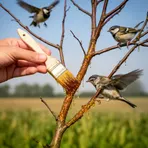
To coat branches with a sticky substance to catch small birds
Compounds




- Specialized
A white powder made by heating limestone that is used to make lime and in industry

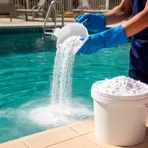


- Specialized
Material made by heating limestone until it stops reacting and does not bind well

- Specialized
A type of lime heated so much it stops reacting and cannot bind materials

- Specialized
A white powder used to help melt and clean metals and to make slaked lime



- Specialized
A milky liquid used to make things less acidic, for example in tanning and water treatment


- Specialized
A type of lime heated too much so it does not react with water or make strong mortar

- Specialized
A hard powder made from limestone heated too much that does not react and makes weak mortar



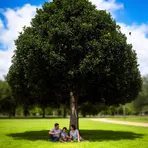
A large tree with leaves that are white and soft underneath and often planted in parks

- Specialized
A soft white powder made by adding water to quicklime used to make plaster and to reduce soil acidity




Surface Forms
Etymology
Lime (verb, put birdlime on branches) comes from the noun lime meaning the sticky paste used to trap birds, so to 'lime' is simply to cover a branch with that sticky material to catch birds.