

to grass
- verb
- /ɡræs/
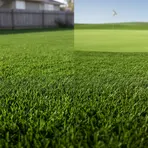
- The gardener will grass the bare patch in the lawn to make it look lush and green.
- a grassed area
- forested and grassed
Examples
-
We need to grass the area surrounding the new playground to create a safe space for children to play.
-
So we are going to grass clip this micro green bed right here.
-
So we just kind of, you know, with the tractor just kind of just moving the soil around, planting grass now just getting everything growing.
-
And they started taking down buildings, rebuilding them as parks, planting grass, putting up hedges, planting trees.
-
Drainage ways from the subdivision and Argyle to Willow Creek are heavily grassed, which should greatly reduce adverse effects of runoff on the water quality of the creek and lake.
Academic text (1998) -
They decided to grass the hillside to prevent soil erosion and enhance the natural beauty of the landscape.
Synonyms

 1
5.1
1
5.1

To cover the ground with grass and its roots


 1
7.7
1
7.7
To plant grass to make an area for people to walk or play

Cover an area of land with short green plants like those on a lawn

To cover ground with a layer of grass and soil
Idioms

- Offensive
5
8.1
A person who pretends to be friendly but secretly harms or tricks you


- Informal
1
9.9
A very quiet place where even the smallest sounds seem noticeable
Phrasal Verbs

Compounds



- Informal
4
3.3
Ordinary people in a community who support or begin change at the local level
 1
3.8
1
3.8
A grass that grows along the ground and is used for lawns and fields for animals

- UK
1
7.5
A European grass with long underground roots that spreads quickly and becomes a common weed


 1
3.7
1
3.7
A tough grass with strong roots that grows on sandy shores and stops sand dunes from moving
- Specialized
1
5.1
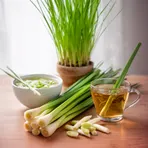
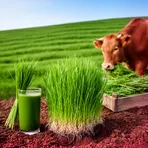
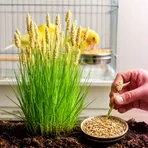
A green grass grown for health drinks, animal food, and to stop soil erosion



- US
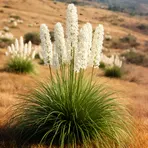
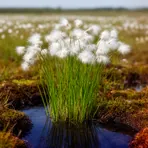
A plant that lives for many years with long leaves like grass and tall stalks of white flowers

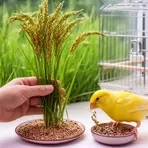
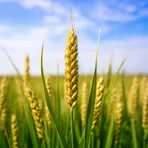
A rough annual grass grown for edible seeds, animal feed, and wildlife food

A small plant with narrow, grass-like leaves and blue flowers related to irises
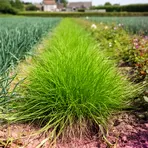
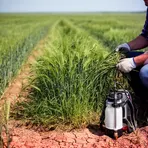
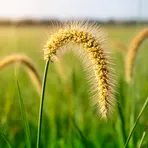
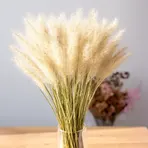
A grass that has curved flower spikes and long stiff hairs under each small flower


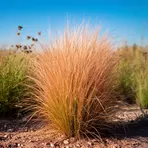
A tough grass from North America with leaves that turn pale bronze in autumn


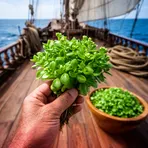
A small plant with edible leaves high in vitamin C that sailors used to prevent scurvy
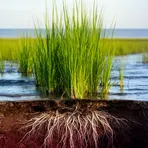

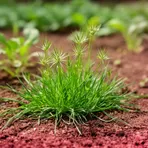
A creeping grass with spiky heads like a bird's foot that often grows as a weed
- Australian
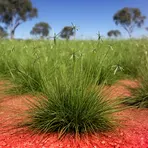
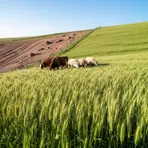
An Australian grass that lives for many years and has long spikes like a windmill
- Specialized
A grass from Eurasia that farmers grow for animal feed and to stop soil erosion

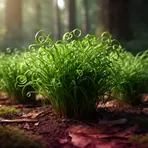
A rare small fern with thin curled leaves that grows in thick clumps on the ground

- US
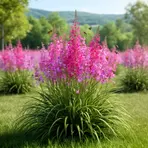
A plant that lives for many years with pink or purple flowers in eastern North America

- UK
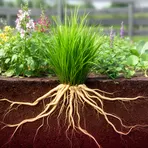
A strong plant that spreads quickly and is used for lawns and pastures in warm places
- US
A grass from Europe that spreads quickly by stems under the ground and is a weed in North America

- South African
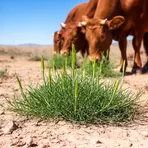
A grass from South Africa that grows in clumps and is often planted to stop soil erosion
- Archaic
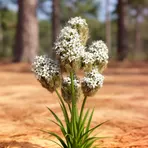
A herb from the southeastern United States with rough outer flower parts and small white flowers
- Specialized
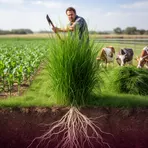
A tall grass that spreads underground and is used for animal food but is a harmful weed
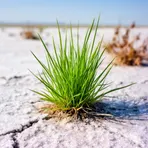
A fast-growing water plant with long grass-like leaves that forms thick floating mats
A grasslike plant that lives for many years with star-shaped flowers that grows in North America
- Specialized
A plant that grows in shallow water or marshes and can poison farm animals
- Specialized
A group of small grass-like plants that grow in wet places such as marshes
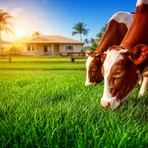
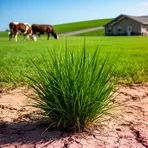
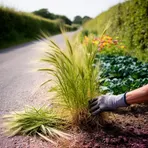
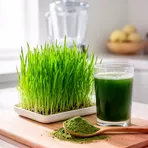
Young green leaves of the barley plant used as a health food such as powder or juice


- Specialized
A common wild grass that grows in wet farm fields and that animals sometimes eat

- Australian
A tall grass from Australia with long thin stalks often used for hay

- Australian
A tall Australian plant with a thick trunk and long grasslike leaves
- Specialized
A grass from Europe and Asia grown on dry plains to feed animals and stop soil washing away
How Grassy

Surface Forms
Etymology
Grass (to cover an area with grass) also comes from the plant grass and means 'to put grass on the ground', so to grass a place is to make it green with grass.