

goose grass
- noun
- /ɡus ɡræs/
- The silvery leaves of goose grass help distinguish it from similar weeds.
Examples
-
Gardeners often struggle to control goose grass in their lawns and flower beds.
-
The field was covered with goose grass after a cool, wet spring.
-
Look at that patch of goose grass over there!
-
The goose grass is thriving this year.
-
Gardeners often struggle to control goose grass in their lawns and flower beds.
-
The field was covered with goose grass after a cool, wet spring.
-
The silvery leaves of goose grass help distinguish it from similar weeds.
Synonyms

A low plant that lives many years and people often use as ground cover
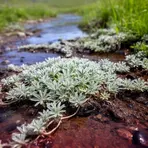
A low growing plant with silvery leaves that spreads along wet ground
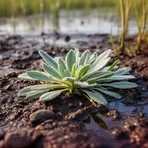
A low plant with silvery leaves that often grows in poor or wet soil
Surface Forms
Morphology
The compound 'goose grass' is a straightforward noun+noun composition: 'grass' identifies the plant category and 'goose' functions as a modifier, so a learner who knows both words will reasonably infer it denotes a type of grass or plant associated with geese or resembling something goose-related. Specific botanical details (e.g. silvery leaf undersides) are not predictable from the parts, but the basic referent as a kind of plant is transparently derivable.
Etymology
Goose grass may be named for its pale, soft leaves that look like a goose's underside. So the name is used for a low plant with 'silvery leaves'.

