
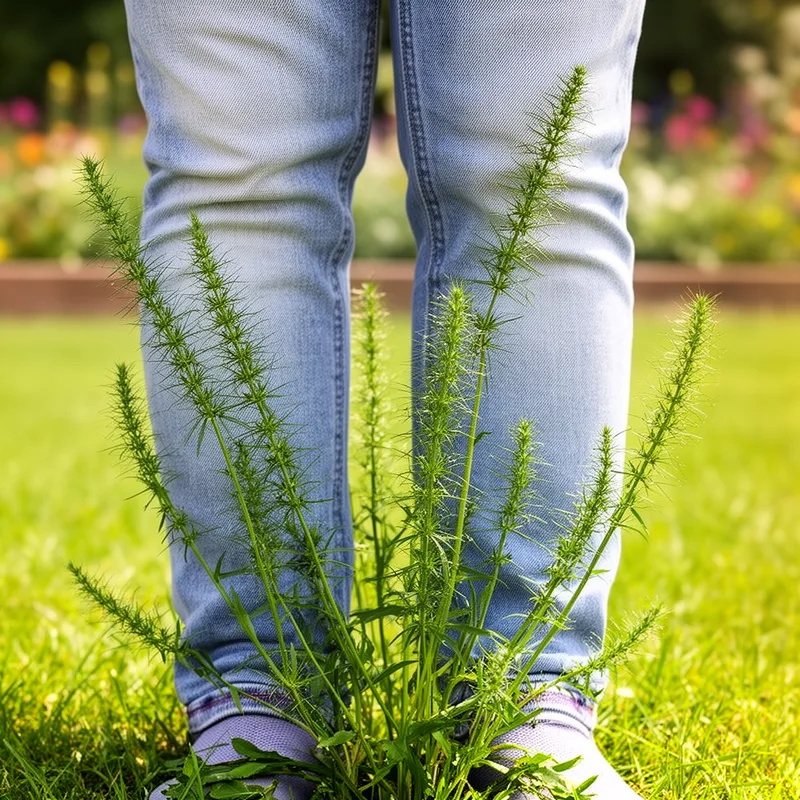
goose grass
- noun
- /ɡus ɡræs/
- The children found goose grass sticking to their clothes after walking through the field.
Examples
-
Gardeners often remove goose grass because it can easily take over flower beds.
-
Goose grass is also used in some herbal remedies for its mild medicinal properties.
-
The goose grass in the garden is growing quickly.
-
Have you seen the goose grasses around the park?
-
Gardeners often remove goose grass because it can easily take over flower beds.
-
The children found goose grass sticking to their clothes after walking through the field.
-
The goose grass in the garden is growing quickly.
Synonyms
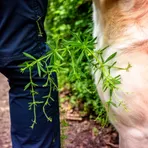
A plant with sticky stems and tiny hooked hairs that cling to clothing and animals
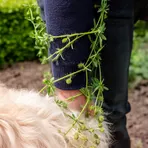
A small climbing plant with thin stems covered in tiny hooked hairs that stick to clothes and fur

A small plant with curved prickly stems that stick to clothes and animal fur

A plant with many hooked hairs on its stems that cling to clothes and animals
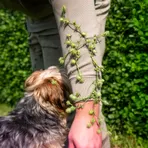
A plant with rough stems and many small hooks that cling to clothes and animals
Surface Forms
Morphology
The compound 'goose grass' is a straightforward noun+noun composition: 'grass' identifies the plant category and 'goose' functions as a modifier, so a learner who knows both words will reasonably infer it denotes a type of grass or plant associated with geese or resembling something goose-related. Specific botanical details (e.g. silvery leaf undersides) are not predictable from the parts, but the basic referent as a kind of plant is transparently derivable.
Etymology
Goose grass is a common name for cleavers, and one popular story says its tiny hooked stems cling to goose feathers or to your clothes. That's why the name fits the sticky plant that 'sticks to clothes'.

